D0 N0 H4RM: STEM Storytime
This panel discussion explores the intersection of cybersecurity and healthcare, focusing on the critical risks posed by ransomware and cyberattacks on medical infrastructure. The speakers highlight the real-world impact of these attacks on patient care, including the disruption of electronic health records and the inability to access essential medical supplies. The talk emphasizes the need for improved cybersecurity resilience, better incident response, and increased collaboration between healthcare providers, medical device manufacturers, and government regulators.
Why Healthcare Infrastructure is Failing Under Ransomware Pressure
TLDR: Recent large-scale ransomware attacks against major hospital systems have exposed a critical fragility in clinical infrastructure, where the loss of electronic health records forces staff to revert to paper charts and manual processes. These incidents demonstrate that modern healthcare environments are not just suffering from data theft, but from a total loss of operational continuity that directly impacts patient safety. Pentesters and researchers must shift their focus from simple data exfiltration to understanding the interconnected dependencies of medical devices and clinical software to better identify and mitigate these systemic risks.
Healthcare is currently the most attractive target for ransomware operators, and the reason is simple: it is a high-stakes, low-tolerance environment where downtime is measured in human lives. When a hospital system is hit by ransomware, the impact is rarely limited to the IT department. As seen in recent attacks on major health networks, the encryption of electronic health records (EHR) effectively blinds clinicians. Doctors and nurses are forced to rely on memory for medication dosages and paper records for patient histories, creating a massive, immediate risk to patient safety.
The Fragility of Interconnected Systems
Modern clinical environments are built on a complex web of interconnected systems. We are not just talking about a few servers in a closet. We are talking about a massive ecosystem that includes medical manufacturing, pharmaceutical supply chains, laboratory information systems, and health IT platforms. The problem is that these systems were never designed with the assumption that the underlying network would be compromised.
When a Denial of Service event occurs, whether through a targeted attack or a catastrophic configuration error like the recent CrowdStrike outage, the entire chain of care breaks. In the case of the CrowdStrike incident, the issue was not a malicious actor, but a faulty update that rendered systems unusable. For a hospital, the result was the same: the inability to access patient data, schedule surgeries, or even monitor ICU telemetry.
The Reality of Legacy Medical Devices
Medical devices are the most overlooked component of this infrastructure. Many of these devices, such as infusion pumps or patient monitors, have lifecycles that span decades. They often run on outdated, unpatchable operating systems and are frequently deployed on flat, insecure networks. From an offensive perspective, these devices are low-hanging fruit. They are rarely scanned by traditional vulnerability management tools, and they often lack basic authentication mechanisms.
If you are conducting a penetration test in a healthcare environment, stop looking for the domain controller for a moment and start looking at the biomedical engineering network. You will likely find devices that are essentially black boxes, communicating over cleartext protocols, and sitting on the same network as the guest Wi-Fi. The risk here is not just that a device can be compromised, but that it can be used as a pivot point to move laterally into the clinical systems that manage patient care.
Moving Beyond Data Exfiltration
The cybersecurity community has spent years focusing on data breaches, but in healthcare, the real threat is operational disruption. We need to start mapping the dependencies between these systems. What happens to the infusion pump if the central server goes down? What happens to the laboratory results if the middleware is encrypted? These are the questions that matter.
For those of you working in bug bounty or red teaming, the goal should be to identify the "lynchpins" of the clinical environment. These are the systems that, if taken offline, cause the most significant disruption to patient care. This is not about finding a remote code execution vulnerability in a web application; it is about understanding how a minor vulnerability in a non-critical system can be chained to cause a major outage in a critical one.
A Call for Better Resilience
Defenders in the healthcare sector are fighting an uphill battle. They are under-resourced, and they are managing a massive, heterogeneous environment. The solution is not just better patching, but better architecture. We need to move toward Zero Trust models that segment clinical networks and restrict the communication between medical devices and the rest of the enterprise.
We also need to improve our incident response capabilities. When a system goes down, the recovery plan cannot be "wait for the vendor to fix it." Hospitals need to have robust, tested offline procedures that allow them to continue providing care even when their digital systems are compromised.
As researchers, we have a responsibility to look at these systems with a critical eye. We need to push for better security in medical device design and more transparency from manufacturers. If we continue to treat healthcare cybersecurity as just another IT problem, we are going to see more of these incidents, and the consequences will only get worse. Start looking at the medical device landscape, map the dependencies, and help the organizations you work with understand that their security posture is directly tied to their ability to save lives.
Vulnerability Classes
Tools Used
Target Technologies
Attack Techniques
Up Next From This Conference
Breaking Secure Web Gateways for Fun and Profit
Listen to the Whispers: Web Timing Attacks That Actually Work
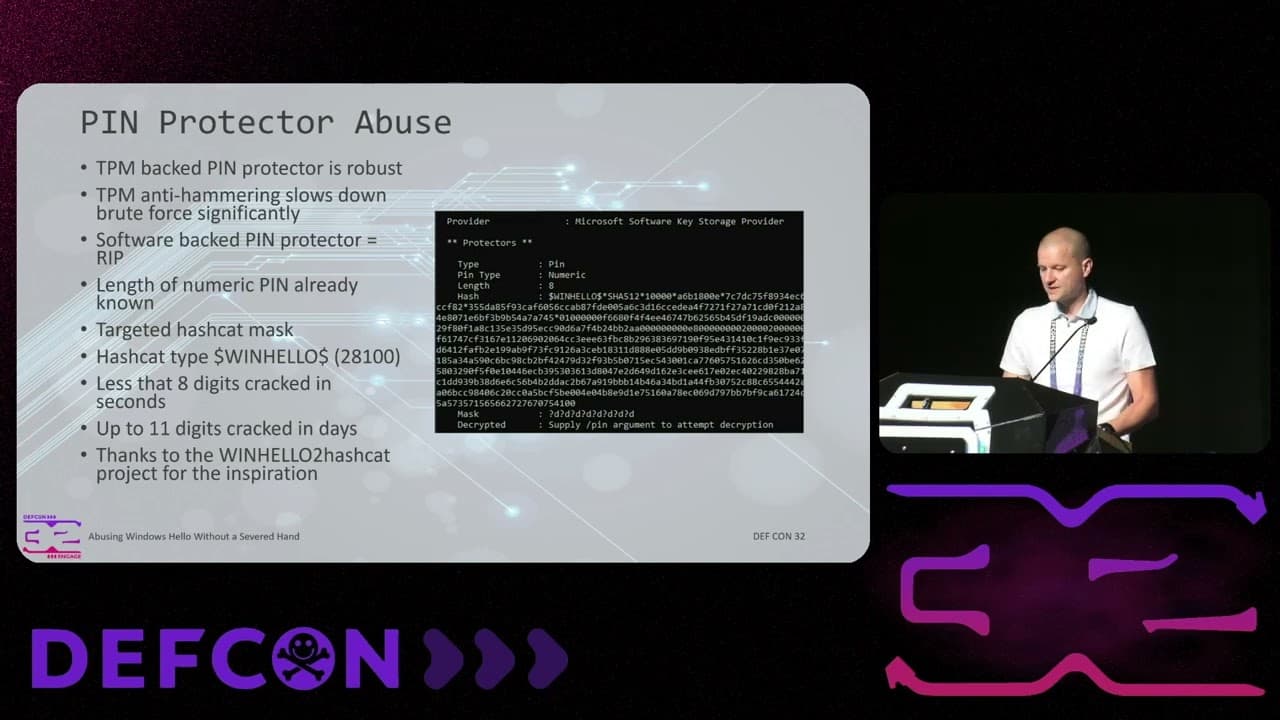
Abusing Windows Hello Without a Severed Hand
Similar Talks
How Not to Do a Physical Security Penetration Test

The Art of Cyber Warfare: Ransomware Diaries