Moral Hazards and Ethical Considerations in Cyber-Insurance
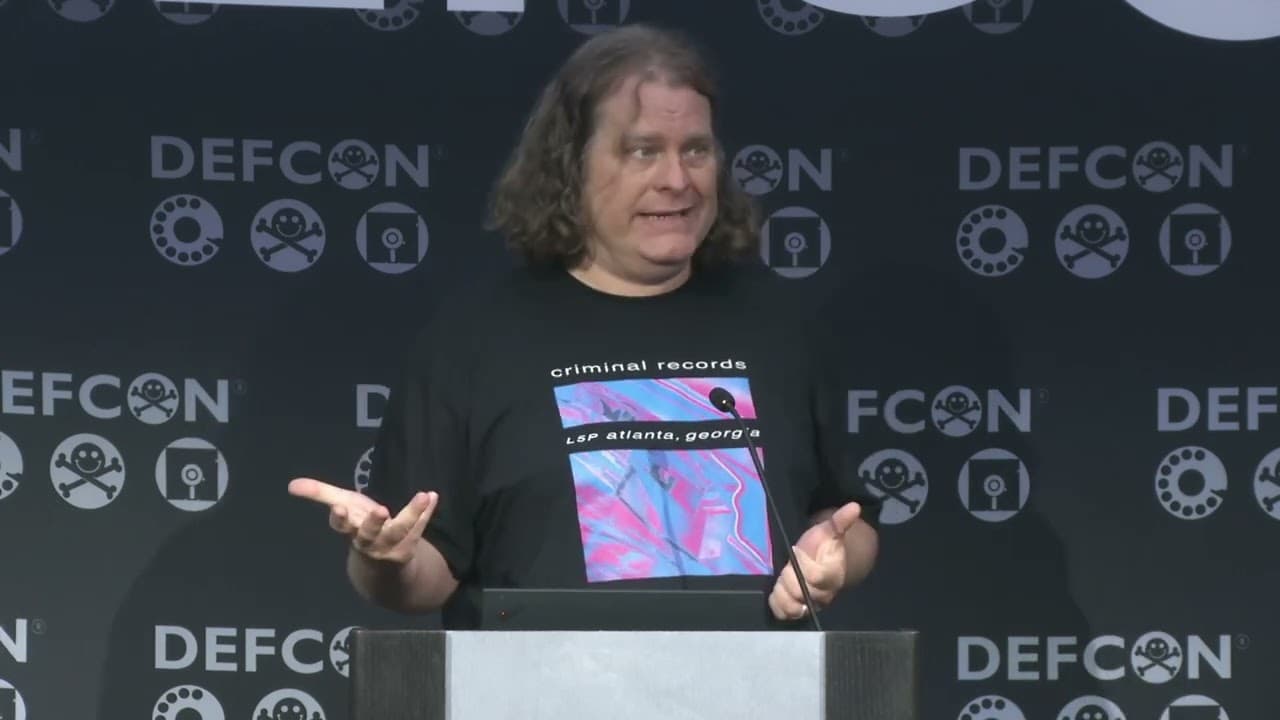
This panel discussion explores the intersection of cybersecurity risk management and the cyber-insurance industry, focusing on the practical realities of claims processing and incident response. The panelists analyze how insurance providers assess security posture through self-assessment questionnaires and external scanning, and how these metrics correlate with actual breach outcomes. The discussion highlights the critical role of incident response coordination and the potential for moral hazard when organizations rely on insurance as a substitute for robust security controls.
Why Your Cyber-Insurance Policy Might Be a Liability During a Breach
TLDR: Cyber-insurance is increasingly becoming a critical component of corporate risk management, but it is not a substitute for actual security controls. This panel discussion reveals that insurance carriers are shifting toward data-driven underwriting, using external scanning and self-assessment questionnaires to quantify risk. For researchers and pentesters, this means that misrepresenting security posture during the application process can lead to denied claims, while the insurance process itself provides a roadmap of what carriers prioritize in their risk models.
Security professionals often view cyber-insurance as a financial safety net, a way to offload the catastrophic costs of a ransomware event or a massive data leak. However, the reality is far more complex. Insurance is not a "get out of jail free" card. It is a contract, and like any contract, it is built on representations of fact. If those facts are wrong, the contract is void.
The recent panel at Black Hat 2024 on the moral hazards of cyber-insurance made one thing clear: the industry is moving away from generic risk assessments and toward granular, data-driven underwriting. Carriers are no longer just asking if you have a firewall. They are scanning your external attack surface, looking for exposed Remote Desktop Protocol (RDP) ports, and checking for the presence of Multi-Factor Authentication (MFA) on critical services.
The Data Gap in Underwriting
One of the most striking takeaways from the discussion was the disconnect between self-assessment questionnaires and the actual security posture of the applicant. When a company fills out a form, they often rely on the person who happens to be available, not necessarily the person who knows the infrastructure. This leads to a high error rate. In fact, the panelists noted that self-assessments are frequently inaccurate, sometimes by as much as 80% when compared to actual technical configurations.
For a pentester, this is a goldmine. If you are conducting an engagement, you are essentially performing the same validation that an insurance carrier’s automated scanner does. When you find an unpatched CVE-2023-3519 or an exposed management interface, you are identifying a point of failure that could invalidate the client’s insurance policy.
The Mechanics of Claims Denial
The panel emphasized that claims are rarely denied because of a minor oversight. They are denied when there is a fundamental breach of the policy’s conditions. If a policy requires MFA for all remote access, and an attacker gains entry via a legacy account that lacked MFA, the carrier has a strong case for denial.
The technical reality is that attackers are not just "hacking" in the abstract. They are using T1078-Valid Accounts to move laterally. When an insurance carrier investigates a claim, they look for these specific failures. They are looking for the "why" behind the breach. If the "why" is a failure to implement a control that the company explicitly claimed was in place, the payout is at risk.
Why Pentesters Should Care
You might think insurance is a problem for the C-suite, but it directly impacts your work. When you report a finding, you are providing the evidence that could determine whether a company survives a future incident.
Consider the "claims calculator" mentioned by the panelists. Carriers use these tools to model risk based on company size, industry, and technical footprint. If you are testing a client, you should be asking yourself: "If I were the insurance carrier, would this finding be a dealbreaker?"
If you find that a client is running an outdated, vulnerable version of a service, you aren't just finding a bug. You are finding a potential financial catastrophe. The most effective way to communicate this to a client is to frame it in terms of their insurance coverage. "If this were exploited, your carrier would likely point to this specific misconfiguration as a reason to deny your claim." That usually gets the attention of the stakeholders who have been ignoring your previous reports.
The Defensive Reality
Defenders need to treat their insurance application like a technical audit. If you are the CISO or the lead engineer, do not let the procurement team fill out the security questionnaire. They do not know what an Active Directory misconfiguration looks like, and they certainly don't understand the implications of a weak RDP policy.
The best defense is to align your security roadmap with the requirements of your insurance policy. If your policy mandates specific controls, those controls should be the highest priority in your vulnerability management program. Use the insurance application as a checklist for your own internal security maturity.
Cyber-insurance is a tool, not a strategy. It can help you recover from a disaster, but it cannot prevent one. If you rely on it to cover the gaps in your security, you are not managing risk; you are just gambling on the hope that your carrier won't look too closely at your logs after the next incident. As the panelists noted, the industry is getting much better at looking.
Target Technologies
OWASP Categories
All Tags
Up Next From This Conference
Similar Talks

Kill List: Hacking an Assassination Site on the Dark Web
Counter Deception: Defending Yourself in a World Full of Lies