The History of Hacking: A Panel Discussion
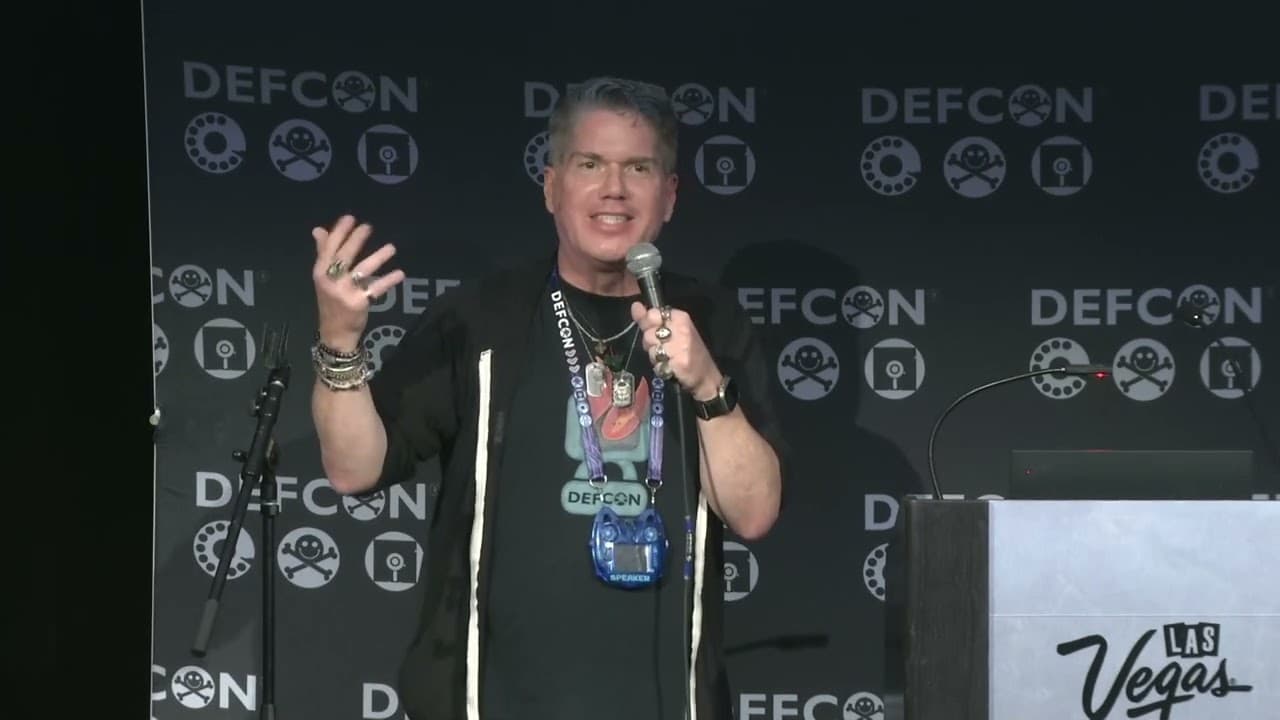
This panel discussion explores the early history of the hacker community, focusing on the evolution of communication channels like BBS and the development of early hacking techniques. The speakers discuss the cultural and social aspects of the 1980s and 1990s hacker scene, including the impact of early phreaking and the rise of independent zines. The talk provides a historical perspective on the origins of modern cybersecurity culture and the shift from underground exploration to professional security research.
The Lost Art of Phreaking and the Roots of Modern Red Teaming
TLDR: The early days of the hacker scene were defined by phreaking, BBS exploration, and the raw curiosity of discovering undocumented system features. While the technology has shifted from analog modems to cloud-native infrastructure, the core mindset of questioning system boundaries remains the most potent tool in a researcher's arsenal. This post examines how the foundational techniques of the 80s and 90s, such as out-of-band signaling and manual system enumeration, still inform the offensive security tradecraft we use today.
History is often sanitized, but the origins of the security research community were anything but clean. If you look at the early days of the scene, you see a group of people who were not just breaking things for the sake of it, but were fundamentally driven by a need to understand how the world’s communication systems actually functioned. The panel discussion at DEF CON 2024 featuring veterans from the Cult of the Dead Cow, 2600, and MindVox reminded us that the most effective security research often happens at the intersection of curiosity and unauthorized access.
The Mechanics of Early Exploration
Before the internet became a commodity, the primary playground for hackers was the Public Switched Telephone Network (PSTN). The techniques discussed by the panel, such as war dialing and the use of "blue boxes" to manipulate signaling, were not just about getting free long-distance calls. They were about mapping the infrastructure of the telecommunications giants. When you look at the attack flow of a phreaker in the 80s, it mirrors the reconnaissance phase of a modern red team engagement. You identify a target, you probe for entry points, and you exploit the trust inherent in the system's design.
The panel highlighted how these early actors would use out-of-band signaling to bypass billing systems. By generating specific tones, they could trick the switching equipment into believing a call had ended or that it was an internal maintenance request. This is essentially the precursor to modern SSRF or API manipulation. You are providing the system with input it expects to be internal or privileged, and the system, lacking proper validation, executes your command.
From BBS to Modern Infrastructure
One of the most striking takeaways from the discussion was the role of the Bulletin Board System (BBS) as the original social network for researchers. These systems were the primary distribution point for CVE-like information long before the NVD existed. Researchers would share "text files" that detailed how to exploit specific hardware or software configurations. This was the birth of the bug bounty mindset, albeit without the financial incentive.
The transition from these isolated, text-based systems to the hyper-connected, API-driven world we operate in today has changed the scale of our work, but not the nature of it. Today, we might be looking for Insecure Direct Object References (IDOR) in a REST API, but the underlying logic is identical to the phreaker who found a way to access a private branch exchange (PBX) system. The goal is to find the logic flaw that the developers assumed was impossible to reach.
The Value of the "Underground" Mindset
Why does this history matter to a pentester in 2024? Because the modern security industry is increasingly focused on automated scanning and compliance checklists. While these are necessary, they are not sufficient. The most critical vulnerabilities—the ones that lead to full system compromise—are rarely found by a vulnerability scanner. They are found by researchers who take the time to understand the system's architecture, who look for the "undocumented features," and who are willing to spend hours manually testing edge cases.
The panel members emphasized that their early work was often done with limited resources. They didn't have high-end commercial tools. They had to build their own. They had to understand the hardware. This forced a level of technical depth that is often missing today. When you are forced to build your own exploit framework or write your own custom scripts to interact with a proprietary protocol, you learn more about the target than you ever would by simply running a tool.
Defensive Lessons from the Past
Defenders often view the "hacker" as an adversary to be blocked, but the history of the scene shows that hackers are often the ones who identify the systemic weaknesses that vendors ignore. The lesson for blue teams is simple: if you want to secure your infrastructure, you need to think like the people who built the early BBS networks. You need to assume that your internal systems are not as isolated as you think they are.
The shift toward "zero trust" is essentially an admission that the perimeter-based security model of the 90s was flawed. We are finally catching up to the reality that the phreakers and early hackers understood decades ago: if you can reach the signaling layer, you own the network.
Moving Forward
We are currently living in an era where the barrier to entry for security research has never been lower, yet the complexity of the systems we test has never been higher. The tools have changed, but the fundamental challenge remains the same. Whether you are looking at a legacy mainframe or a modern Kubernetes cluster, the goal is to find the gap between what the system is supposed to do and what it can be made to do.
Take a page from the history books. Stop relying solely on automated output. Pick a target, map its communication flows, and look for the logic that doesn't quite make sense. The most interesting bugs are still waiting to be found in the places where the developers thought no one would ever look. If you want to be a better researcher, start by understanding the history of the craft. It is the best way to predict where the next generation of vulnerabilities will emerge.
Target Technologies
Up Next From This Conference
Breaking Secure Web Gateways for Fun and Profit
Listen to the Whispers: Web Timing Attacks That Actually Work
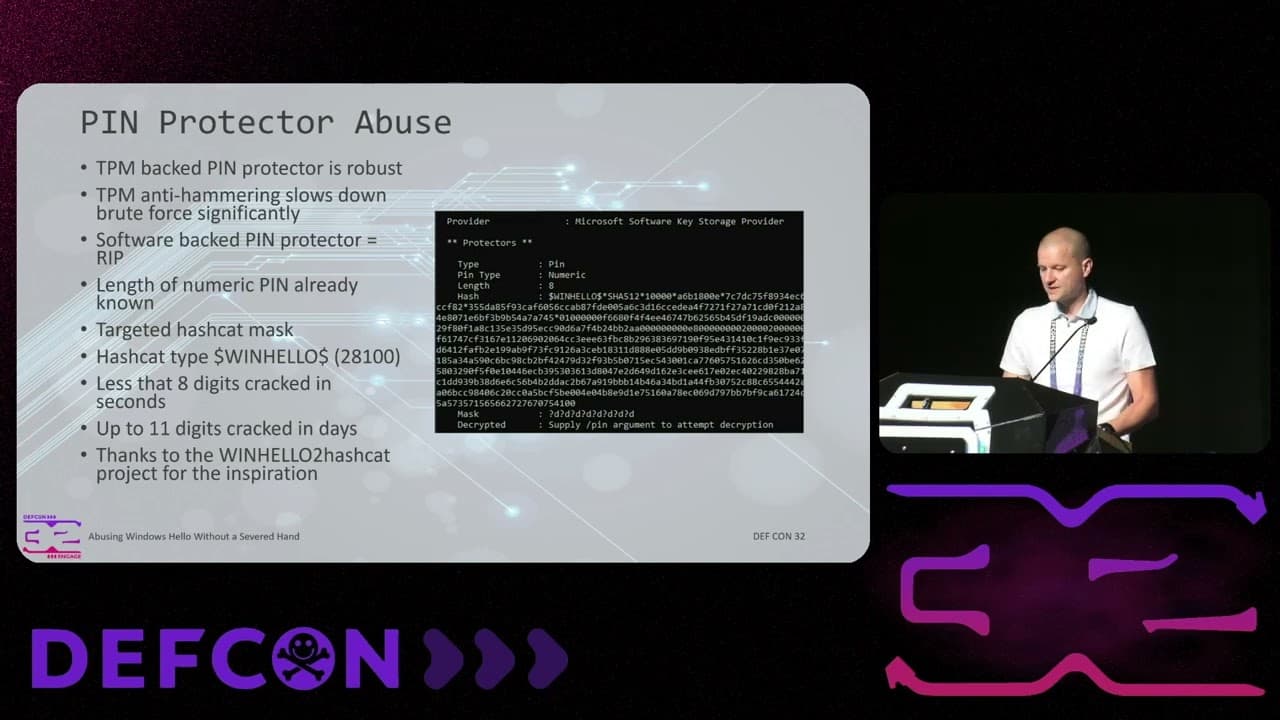
Abusing Windows Hello Without a Severed Hand
Similar Talks

Living off Microsoft Copilot
Social Engineering A.I. and Subverting H.I.