
Apple Disk-O Party
This talk demonstrates multiple local privilege escalation and sandbox escape vulnerabilities within the macOS disk arbitration service and related components. The research focuses on flaws in the disk mounting process, specifically the improper handling of quarantine flags and symlink resolution during mount operations. The speaker provides a detailed analysis of how these vulnerabilities can be chained to achieve root access and bypass TCC protections. The presentation includes proof-of-concept exploits targeting disk arbitration, UserFS, and StorageKit.
Bypassing macOS Security: Exploiting Disk Arbitration and StorageKit
TLDR: This research exposes a series of vulnerabilities in the macOS disk mounting process, specifically within the
diskarbitrationdservice,UserFS, andStorageKit. By manipulating mount operations and exploiting missing quarantine flags or symlink race conditions, an attacker can achieve local privilege escalation and bypass TCC protections. These findings highlight the critical need for rigorous validation of IPC-based requests in system-level services.
Security researchers often focus on web applications or kernel-level memory corruption, but the IPC-based services that glue the macOS operating system together remain a goldmine for privilege escalation. The diskarbitrationd service is a prime example of a high-privilege daemon that processes requests from potentially untrusted, sandboxed applications. When a service running as root handles disk mounting, it must strictly validate every parameter to prevent an attacker from tricking the system into mounting malicious images or accessing restricted directories.
The Mechanics of the Mount Attack
At the heart of these vulnerabilities is the way diskarbitrationd handles mount requests. When an application requests a disk mount, the service performs several checks, including verifying the caller's identity and ensuring the mount point is valid. However, the research presented at Black Hat 2024 demonstrates that these checks are often insufficient.
One of the most significant issues identified was the handling of the quarantine flag. When a user downloads a disk image (DMG), macOS typically applies a quarantine extended attribute. If this attribute is missing or stripped during the mount process, the system fails to apply the necessary security restrictions, such as GateKeeper checks. By crafting a specific mount request, an attacker can bypass these protections entirely.
The vulnerability CVE-2023-42838 illustrates this perfectly. The diskarbitrationd service failed to apply the quarantine flag to the mounted file system, allowing an attacker to execute arbitrary, unsigned code from a mounted image without triggering the usual security warnings.
Exploiting UserFS and StorageKit
The attack surface expands significantly when considering UserFS and StorageKit. These components are responsible for handling user-space file systems and managing disk storage, respectively. The research shows that these services often fail to enforce symlink checks, leading to directory traversal vulnerabilities.
For instance, CVE-2024-44175 involves a race condition where an attacker can swap a symlink during the mount process. Because the service resolves the path before the final mount operation, an attacker can point the mount target to a sensitive directory, such as /etc/cups/, and then swap it to a location they control. If the service is running as root, this can lead to full system compromise.
To reproduce the logic of these attacks, researchers often use ioreg to inspect the I/O registry and verify the properties of mounted devices. The following command is frequently used to check if a device has the expected quarantine properties:
ioreg -l -p IODeviceTree | grep -i "quarantine"
When targeting StorageKit, the attack flow involves triggering a mount operation that the service performs on behalf of the user. By manipulating the disk-arbitration API, an attacker can force the service to mount a malicious image over a directory that the attacker would otherwise be unable to access.
Real-World Impact and Engagement
For a pentester, these vulnerabilities are highly relevant during local privilege escalation (LPE) engagements. If you have already gained a foothold as a low-privileged user, your next goal is to escape the sandbox and gain root access. These disk-related flaws provide a reliable path to do exactly that.
During an assessment, look for applications that interact with disk images or external storage. If an application has the com.apple.security.app-sandbox entitlement but also has broad file system access, it might be a candidate for these types of exploits. The impact is severe: once you have root access, you can bypass TCC (Transparency, Consent, and Control) protections, which are designed to prevent unauthorized access to sensitive user data like contacts, messages, and location history.
Defensive Considerations
Defending against these attacks requires a shift in how system services handle IPC requests. Developers must ensure that all path resolutions are atomic and that security attributes, such as quarantine flags, are strictly enforced throughout the entire lifecycle of a mount operation.
Blue teams should monitor for unusual disk mounting activity, especially when it originates from non-standard processes or occurs in rapid succession. Implementing strict policies that prevent non-privileged users from mounting arbitrary disk images can significantly reduce the attack surface. Furthermore, ensuring that all system daemons follow the principle of least privilege is essential. If a service does not need root access to perform its function, it should be sandboxed or run with restricted capabilities.
The complexity of these interactions shows that even well-intentioned security features can introduce new vulnerabilities when they are not implemented with a holistic view of the system. As researchers continue to probe these interfaces, the focus must remain on eliminating the root causes of these flaws rather than just patching individual CVEs. Keep an eye on the Apple Security Updates page to track how these issues are being addressed in future macOS releases.
Vulnerability Classes
Target Technologies
OWASP Categories
Up Next From This Conference

BestFit: Unveiling Hidden Transformers in Windows ANSI
Wi-Fi Calling: Revealing Downgrade Attacks and Not-so-private Private Keys
The CVSS Deception: How We've Been Misled on Vulnerability Severity
Similar Talks
Firewalls Under Fire: China's Ongoing Campaign to Compromise Network Protection Devices
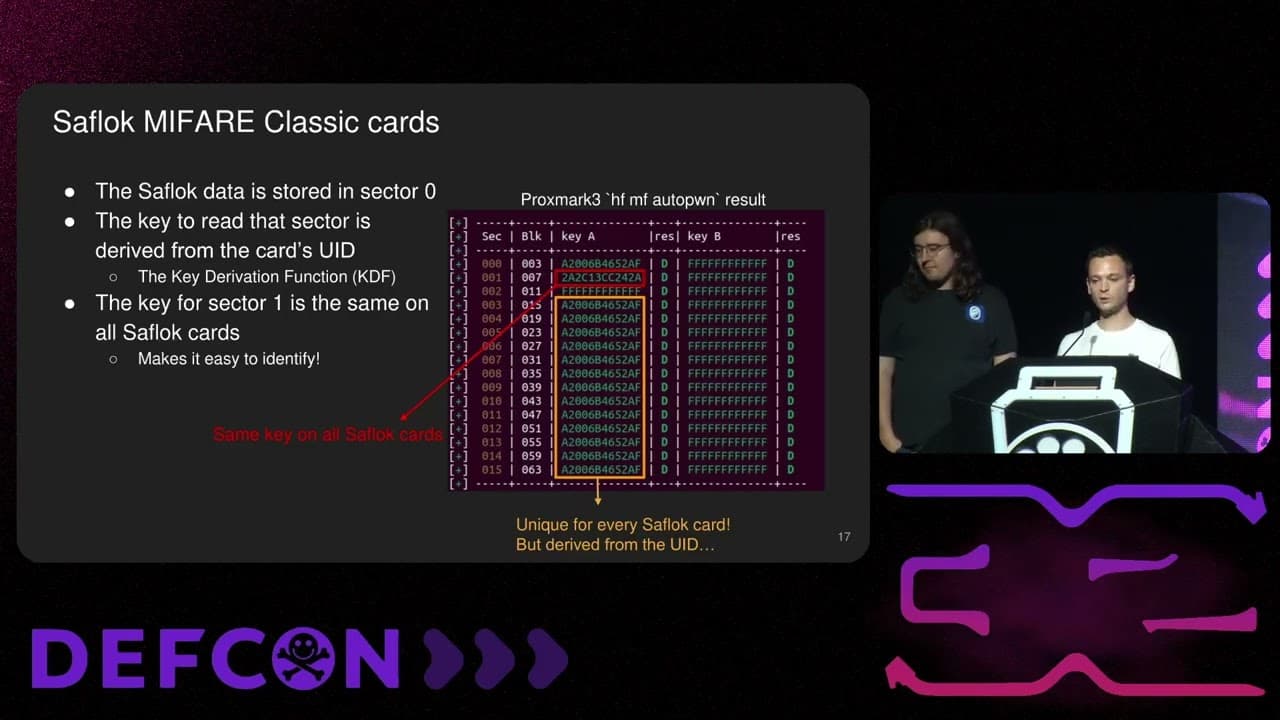
Unsaflock: Unlocking Millions of Hotel Locks
