
Behind Enemy Lines: Engaging and Disrupting Ransomware Web Panels
This talk demonstrates techniques for identifying, analyzing, and disrupting ransomware command-and-control (C2) and data leak panels. The speaker details a methodology involving black-box web application testing, including the use of directory brute-forcing and IDOR exploitation to gain unauthorized access to attacker infrastructure. The research highlights the operational security failures of ransomware groups, such as exposed .env files and weak credentials, which can be leveraged to gain intelligence or disrupt operations. The presentation provides a practical framework for security researchers to engage with and potentially mitigate the impact of ransomware campaigns.
How to Infiltrate Ransomware C2 Panels Using Basic Web Recon
TLDR: Ransomware operators are surprisingly sloppy, often leaving their command-and-control (C2) and data leak panels exposed to simple web vulnerabilities. By applying standard black-box testing techniques like directory brute-forcing and exploiting insecure direct object references (IDOR), researchers can gain unauthorized access to these panels. This access provides a direct window into attacker infrastructure, allowing for the extraction of victim data and the potential disruption of active extortion campaigns.
Ransomware is often portrayed as a sophisticated, impenetrable machine, but the reality behind the curtain is far more mundane. Many of these criminal operations are built on top of fragile, misconfigured web infrastructure that would fail a basic security audit. If you are a pentester or a researcher, you do not need a zero-day exploit to make a dent in these operations. You need a solid grasp of web fundamentals and the patience to look where the attackers forgot to lock the door.
The Anatomy of a Sloppy C2 Panel
Most ransomware-as-a-service (RaaS) groups rely on web-based panels to manage their affiliates, track victim payments, and host stolen data. These panels are frequently hosted on infrastructure that is poorly hardened. During recent research, it became clear that these groups often fall into the same traps as any other web application developer. They leave sensitive files exposed, use weak default credentials, and fail to implement proper access controls.
The attack surface here is classic web exploitation. Attackers often deploy panels using common stacks like WordPress, Nginx, or PHPMyAdmin. When these are misconfigured, they become low-hanging fruit. For example, an exposed .env file can leak database credentials, API keys, or internal paths that provide a roadmap for further exploitation.
Exploiting IDOR and Insecure Configurations
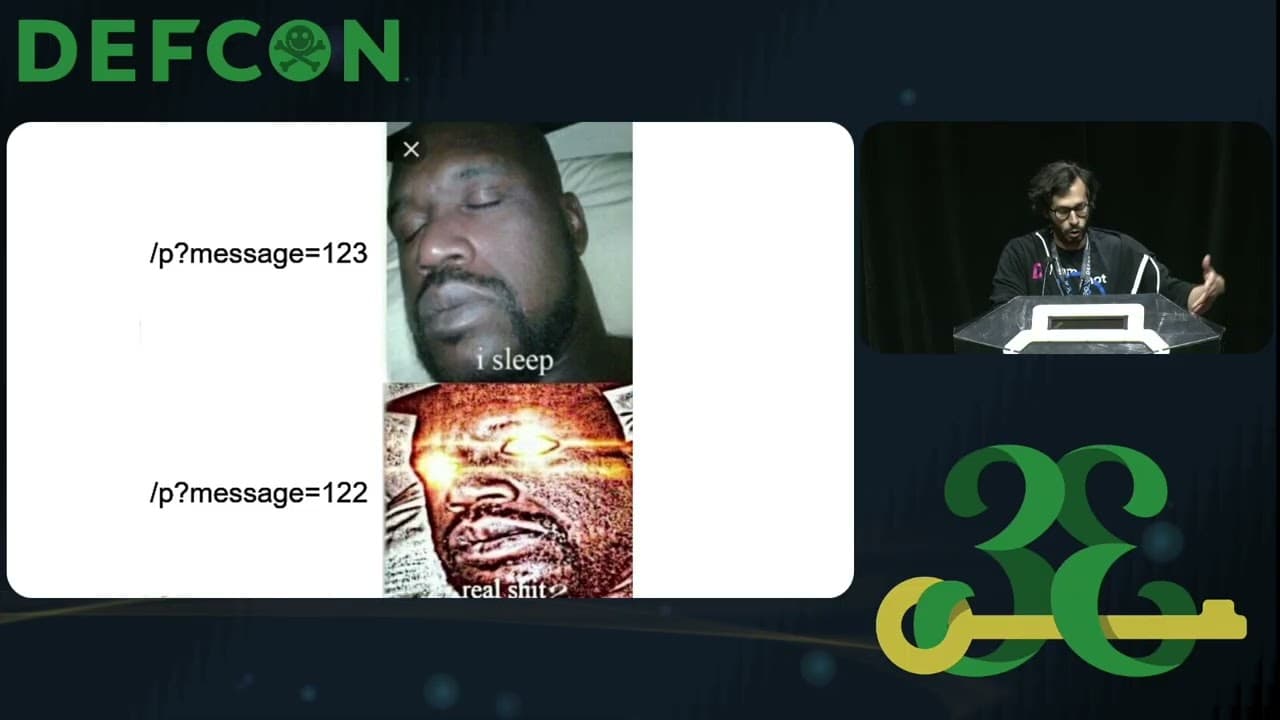
One of the most effective ways to compromise these panels is through Broken Access Control, specifically Insecure Direct Object References (IDOR). In many cases, the panel uses an incremental integer as a parameter to fetch messages or data. If the application does not verify that the user requesting the object is authorized to see it, you can simply iterate through the IDs to scrape the entire database.
Consider a scenario where a panel uses a reply_id parameter to display communication between an attacker and a victim. A simple Python script can automate the collection of these messages:
import requests

# Simple script to iterate through reply IDs
for i in range(1, 1000):
    url = f"https://target-c2-panel.onion/api/messages?reply_id={i}"
    response = requests.get(url)
    if response.status_code == 200:
        print(f"Found message {i}: {response.text}")
This technique is not just theoretical. It has been used to extract internal communications, identify victim organizations, and even recover decryption keys that were meant for paying customers. When you find an IDOR, you are essentially bypassing the entire authentication layer of the criminal operation.
The Role of Reconnaissance in Disruption
Effective reconnaissance is the difference between a successful engagement and a wasted afternoon. Tools like dirsearch and ffuf are essential for mapping out the hidden directories of these panels. When you combine these with passive reconnaissance from services like Shodan or Censys, you can identify the underlying technologies and potential misconfigurations before you even send your first request.
However, remember that these panels are often hosted on Tor hidden services. You must route your traffic through Torsocks or a similar proxy to maintain anonymity and reach the .onion addresses. If you are not careful with your operational security, you risk being identified by the very people you are trying to research.
Defensive Realities and Ethical Boundaries
From a defensive perspective, the fix for these vulnerabilities is standard practice: implement strict access controls, disable directory listing, and ensure that sensitive configuration files are not accessible from the web root. If you are working with a blue team, emphasize that these panels are not just "threat intelligence feeds"—they are active, vulnerable web applications that require the same patching cycles as any other business-critical system.
Ethical considerations are paramount here. While it is tempting to "hack back" or disrupt these panels, you must be aware of the legal landscape. Do not interfere with active law enforcement investigations. If you find yourself in a position to disrupt a campaign, consider sharing your findings with established security organizations or law enforcement agencies rather than taking unilateral action. The goal is to provide value to the community and mitigate harm, not to become a vigilante.
What to Do Next
The next time you are performing a web assessment, keep an eye out for the patterns described here. If you encounter a site that looks like a C2 panel, treat it as a standard web application. Look for the same misconfigurations you would look for in a corporate portal. The attackers are not using magic; they are using the same vulnerable code as everyone else. By documenting these failures and sharing them responsibly, we can make the cost of running these operations significantly higher, and perhaps, make the internet a slightly less hospitable place for those who profit from extortion.
Vulnerability Classes
Attack Techniques
OWASP Categories
Up Next From This Conference

Similar Talks
Inside the FBI's Secret Encrypted Phone Company 'Anom'
Kill List: Hacking an Assassination Site on the Dark Web
