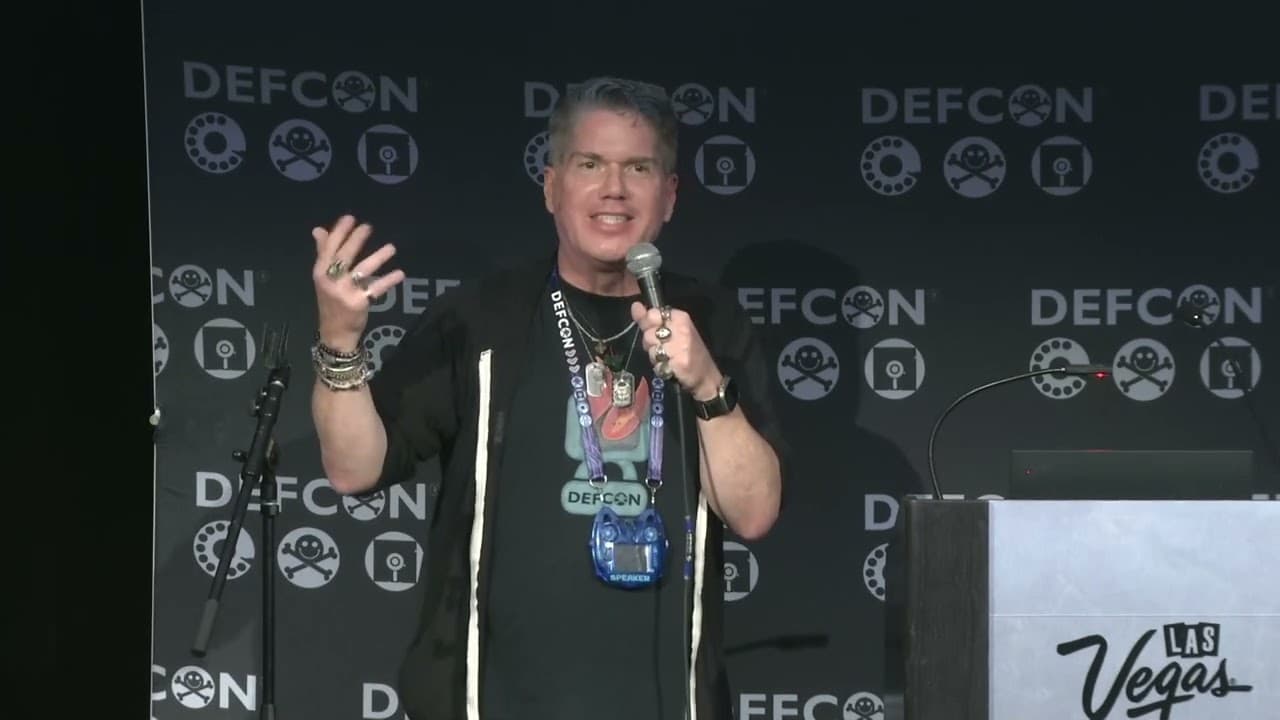
Hacker Family Feud
This video is a non-technical game show event featuring a trivia competition between two teams of security professionals. The content consists of questions related to cybersecurity terminology, threat actors, and industry certifications. It does not contain any technical demonstrations, vulnerability research, or offensive security techniques.
Static Analysis Tooling: Separating Signal from Noise in Modern CI/CD
TLDR: Static Application Security Testing (SAST) tools are often treated as a set-and-forget compliance checkbox, but their effectiveness depends entirely on how you tune them for your specific codebase. This post breaks down how to move beyond default configurations to reduce false positives and actually catch vulnerabilities like injection flaws or insecure configurations. By integrating tools like Semgrep and SonarQube into your development workflow, you can shift security left without drowning your developers in noise.
Security teams often struggle with the sheer volume of alerts generated by automated scanning tools. When you deploy a SAST solution across a large organization, the default rulesets are rarely optimized for the specific frameworks or business logic in play. This leads to a flood of low-fidelity findings that eventually get ignored by developers, creating a culture where security warnings are treated as background noise rather than actionable intelligence.
The Reality of SAST Integration
Most modern SAST tools, including Checkmarx and Veracode, are designed to identify patterns that match known vulnerability signatures. While these tools are excellent at catching low-hanging fruit like hardcoded credentials or basic cross-site scripting (XSS) vectors, they frequently fail to understand the context of an application. A function that looks like a SQL injection vulnerability to a scanner might actually be a safe, parameterized query that the tool simply cannot parse correctly.
For a pentester or a security researcher, the goal is to identify where these tools fail. If you are auditing a target, you should assume that the development team is already running some form of automated scanning. If they have a high-maturity pipeline, they are likely using Coverity or similar enterprise-grade solutions. Your job is to find the logic flaws, the broken access controls, and the complex race conditions that static analysis tools are fundamentally incapable of detecting.
Tuning for High-Fidelity Results
To make these tools useful, you must move away from "all rules enabled" configurations. Start by identifying the top five vulnerability classes that pose the highest risk to your specific architecture. If you are building a microservices-based API, focus your rulesets on authentication bypass and insecure deserialization. If you are working with a legacy monolith, prioritize SQL injection and path traversal.
Semgrep has gained significant traction in the research community because it allows for custom, lightweight rule writing. Unlike traditional scanners that require a full build of the application, Semgrep operates on the source code directly. This makes it an ideal candidate for pre-commit hooks. By writing custom rules that target specific, dangerous patterns in your codebase, you can catch vulnerabilities before they ever reach the main branch.
Consider a scenario where your team uses a specific, custom library for database interactions. A generic scanner will not know if that library is secure. By writing a custom Semgrep rule, you can flag any instance where that library is used without the required security parameters. This is the difference between a tool that generates noise and a tool that provides genuine security assurance.
The Pentester’s Perspective
When you are on an engagement, the output of a client’s SAST tool is a goldmine. It tells you exactly where the developers are worried about their code. If a report shows hundreds of "potential" vulnerabilities in a specific module, that module is likely a mess of technical debt. Focus your manual testing efforts there. Developers often leave "TODO" comments or insecure debug code in the same areas that trigger SAST alerts.
Furthermore, understanding how these tools work helps you bypass them. If you know a scanner is looking for specific regex patterns to detect SQL injection, you can often find ways to obfuscate your payloads to avoid detection while still achieving execution. This is not about breaking the tool; it is about understanding the limitations of the defensive layer.
Defensive Strategy
Defenders should treat SAST as a secondary layer of defense. The primary focus must remain on secure coding practices and architectural reviews. If you rely solely on automated tools, you will miss the most critical vulnerabilities. Ensure that your security pipeline includes a feedback loop where developers can easily mark false positives. If a tool flags a vulnerability that is not actually exploitable, that finding must be suppressed immediately to maintain the integrity of the signal.
Finally, remember that static analysis is only one piece of the puzzle. It does not replace Dynamic Application Security Testing (DAST), interactive testing (IAST), or manual penetration testing. Use SAST to enforce coding standards and catch common mistakes, but do not mistake a "clean" scan for a secure application. The most dangerous bugs are the ones that look like perfectly valid code to a machine. Keep your eyes on the business logic, and always verify the findings of your automated tools with manual exploitation.
Up Next From This Conference
Breaking Secure Web Gateways for Fun and Profit
Listen to the Whispers: Web Timing Attacks That Actually Work
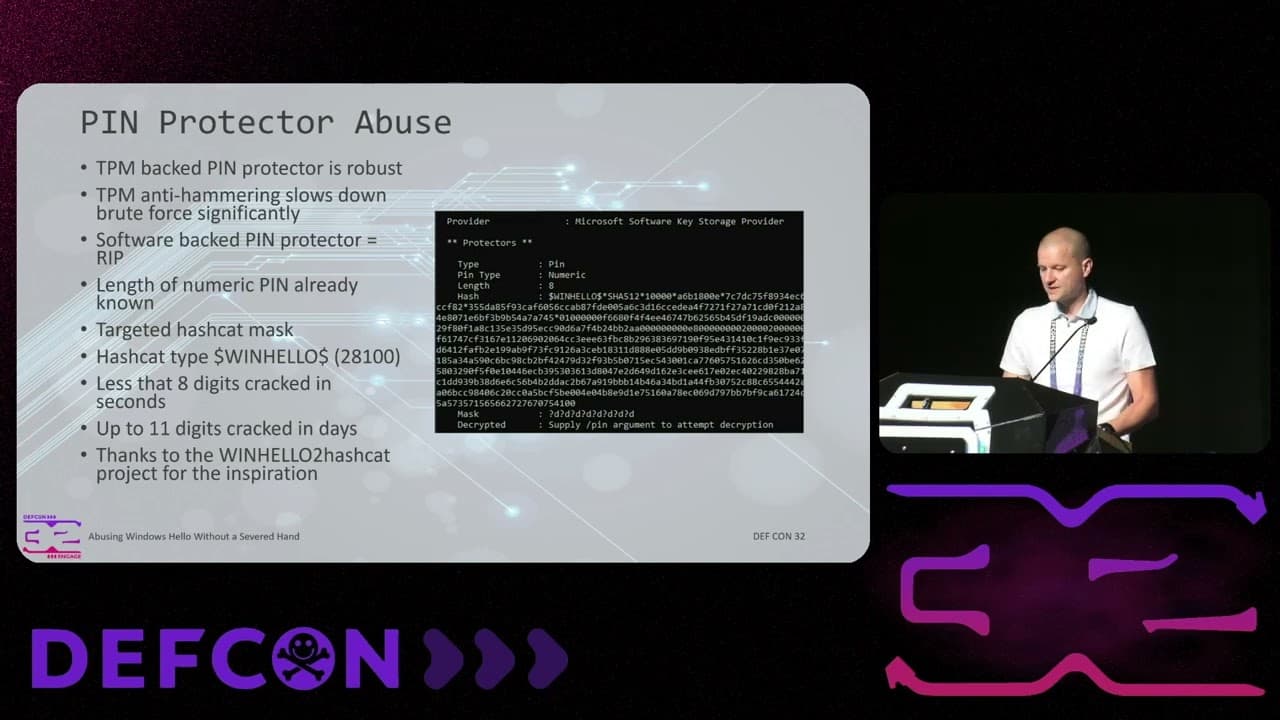
Abusing Windows Hello Without a Severed Hand
Similar Talks
Anyone Can Hack IoT: A Beginner's Guide to Hacking Your First IoT Device
Exploiting Shadow Data in AI Models and Embeddings