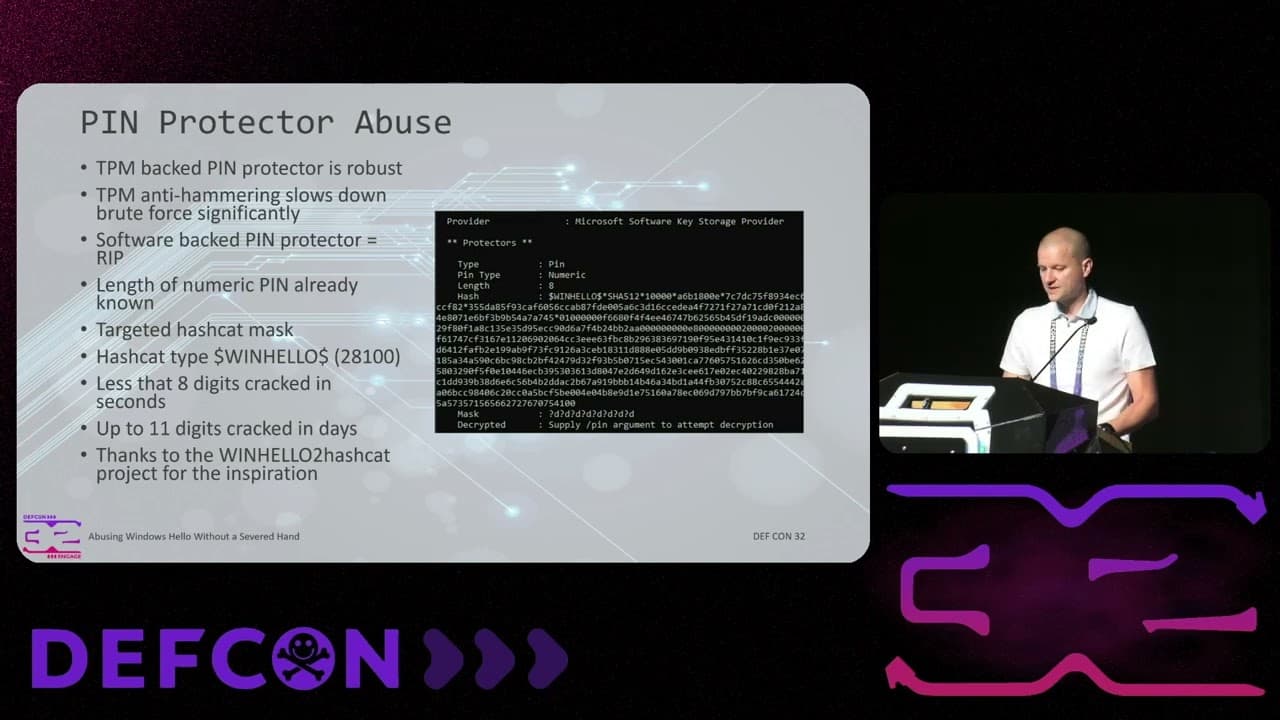
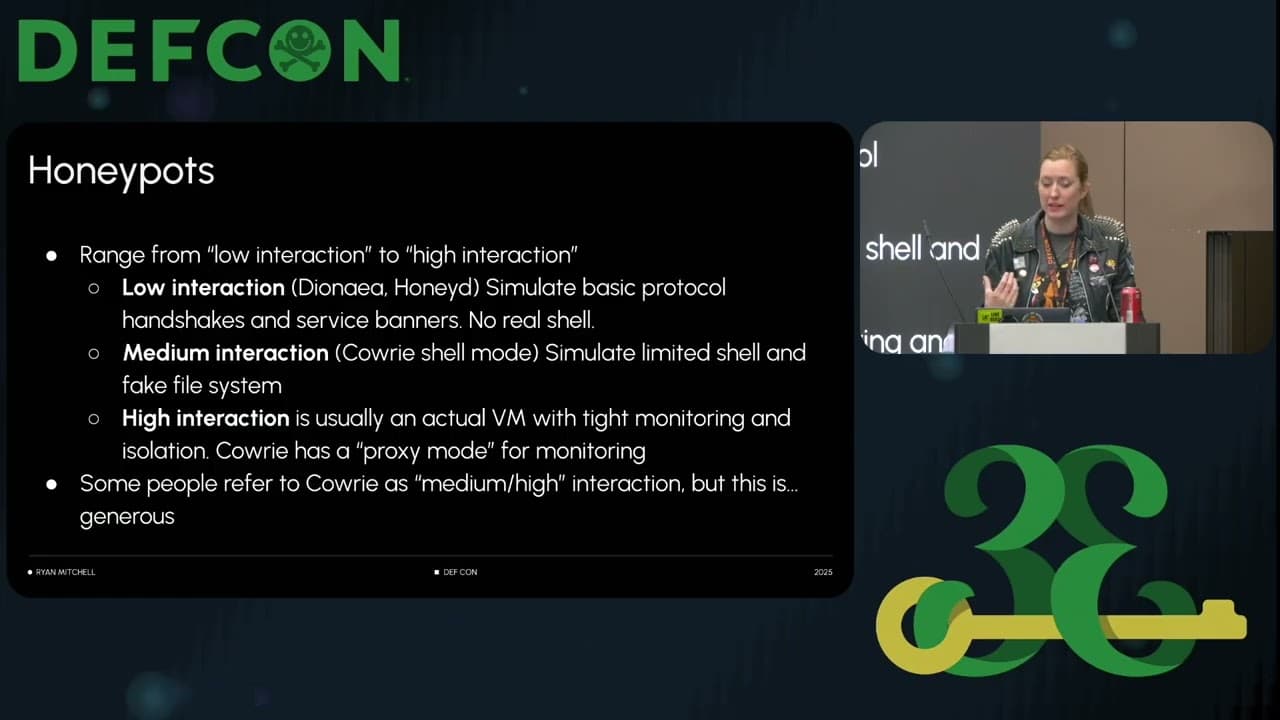
Hacker Jeopardy
This video is a recording of the Hacker Jeopardy game show at DEF CON. It features contestants answering trivia questions related to cybersecurity, hacking culture, and technology. The content is non-technical entertainment and does not demonstrate any specific vulnerabilities, exploits, or security research.
Why Your Next Engagement Needs a Better Strategy Than "Just Guessing"
TLDR: Hacker Jeopardy at DEF CON 2024 proved that even the most seasoned researchers can get tripped up by simple, high-stakes trivia. This post breaks down why the "guess and check" methodology used by contestants often mirrors the flawed approach many pentesters take during real-world engagements. We explore how to move beyond brute-force guessing toward a more structured, intelligence-led testing process that actually yields results.
Watching the best minds in our industry struggle to identify obscure CVEs or recall specific RFC details on a stage in Las Vegas is a humbling experience. It is easy to sit in the audience and shout the answer, but under the pressure of a ticking clock, the brain often defaults to the path of least resistance. This is exactly what happens during a penetration test when a consultant hits a wall. Instead of pivoting to a new methodology, they start guessing. They throw random payloads at an endpoint, hope for a 200 OK, and call it a day when the WAF blocks them.
The contestants in this year's Hacker Jeopardy didn't win by guessing. They won by having a deep, indexed knowledge of the landscape and knowing exactly where to look when the answer wasn't immediately obvious. If you are still relying on automated scanners to do the heavy lifting, you are effectively playing a game of chance where the house always wins.
The Cost of Guessing
In a professional engagement, guessing is a liability. When you encounter a hardened target, the difference between a successful compromise and a wasted week is your ability to map the attack surface accurately before you fire a single packet.
Consider the OWASP Top 10 framework. It is not just a list of vulnerabilities; it is a map of where developers consistently fail. If you are testing an API and you haven't mapped the authentication flow, you are guessing. If you are testing a web application and you haven't identified the underlying framework version, you are guessing.
The most effective researchers I know spend 80% of their time on reconnaissance and 20% on exploitation. They treat the target like a puzzle, not a target range. When you understand the architecture, you don't need to guess which payload to use. You know exactly which input will trigger the desired state change.
Moving Toward Intelligence-Led Testing
If you want to stop guessing, you need to start building your own internal knowledge base. This means tracking CVEs that are relevant to your specific target stack. It means reading the official documentation for the technologies you are testing, not just the exploit write-ups on Twitter.
When you encounter a new technology, don't just look for a public exploit. Look for the design patterns. How does it handle sessions? How does it serialize data? If you are testing a Java-based application, you should be looking at how it handles deserialization long before you try to drop a shell.
The Power of the Pivot
The most successful contestants in the game show were the ones who knew when to stop digging in one area and move to another. In a pentest, this is the "pivot." If you have spent four hours trying to bypass a filter on a login form and you have nothing to show for it, stop. You are likely missing a fundamental assumption about how the application works.
Go back to the proxy logs. Look at the headers. Is there a hidden parameter? Is there a secondary service that the application talks to? Often, the vulnerability isn't in the primary application logic, but in the way the application interacts with its dependencies.
Practical Steps for Your Next Engagement
Stop treating your tools like magic wands. If you are using Burp Suite, you should be writing custom extensions to handle the specific quirks of your target. If you are using Nmap, you should be writing custom scripts to probe for specific service configurations.
The goal is to reduce the number of variables you are dealing with. Every time you make an assumption, you introduce a variable that could lead you down the wrong path. By validating your assumptions early and often, you keep your testing focused and efficient.
The next time you find yourself guessing, take a step back. Ask yourself what information you are missing. If you don't know the answer, don't guess. Find the documentation, read the source code if you have it, or map the traffic until the answer becomes clear. That is how you win the game, and more importantly, that is how you deliver real value to your clients.
Security research is not about being the fastest; it is about being the most thorough. The researchers who win are the ones who have done the work to understand the system better than the people who built it. Start doing that work today, and you will find that you don't need to guess anymore.
Up Next From This Conference
Breaking Secure Web Gateways for Fun and Profit
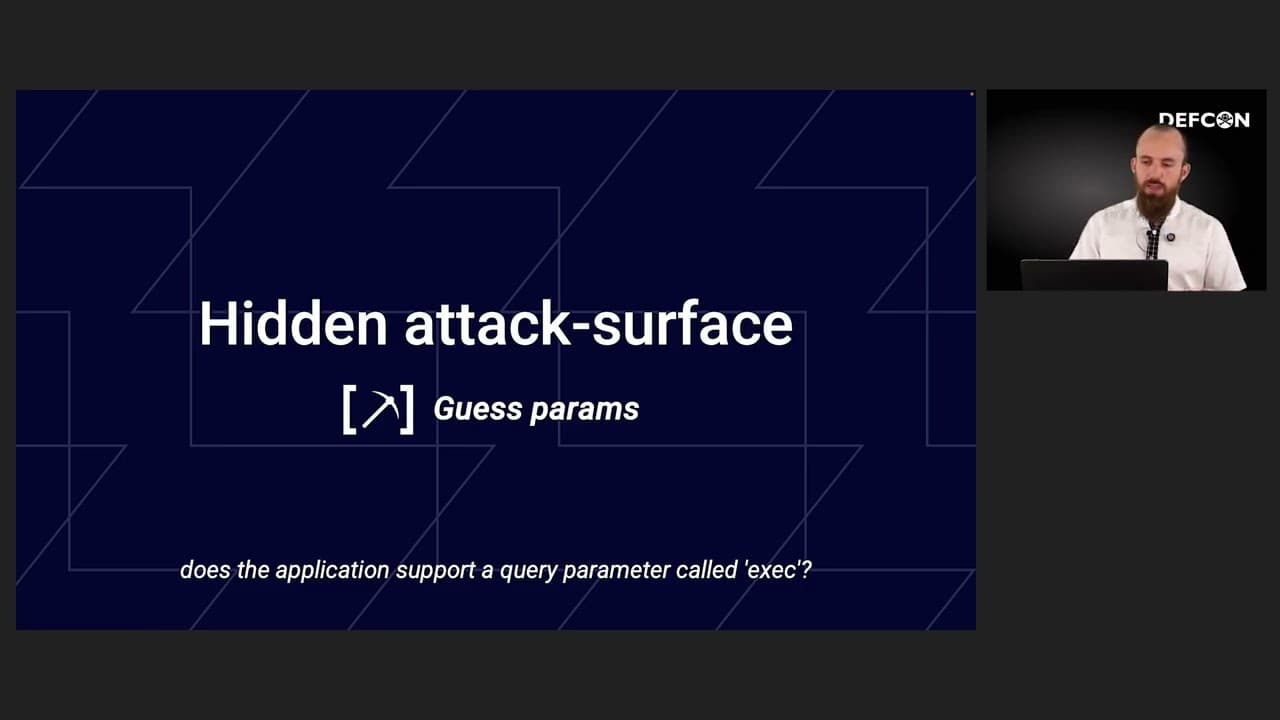
Listen to the Whispers: Web Timing Attacks That Actually Work