The Bugs in Your Bootloaders: Embedded Device Secure Boot Fails and How to Fix Them
This talk demonstrates how vulnerabilities in open-source bootloaders, specifically GRUB Legacy and BootBlock, can be exploited to bypass secure boot mechanisms on enterprise hardware. By manipulating file system structures or overwriting boot stages in SPI flash, an attacker can achieve persistent, undetectable code execution. The research highlights the critical need for better threat modeling, hardware-based memory management, and the integration of fuzzing into the bootloader development lifecycle. The speaker provides specific examples of vulnerabilities found in Cisco and Dell hardware to illustrate these risks.
Bypassing Secure Boot: How Legacy Code and SPI Flash Manipulation Compromise Enterprise Hardware
TLDR: This research exposes how vulnerabilities in common open-source bootloaders like GRUB Legacy and BootBlock allow attackers to bypass Secure Boot on enterprise hardware. By exploiting memory corruption bugs in file system drivers or overwriting boot stages in SPI flash, researchers achieved persistent, undetectable code execution. Pentesters should prioritize auditing early-boot components and SPI flash configurations during hardware assessments to identify these critical gaps.
Hardware security often feels like a black box, but the reality is that the foundation of your server's trust is built on the same messy, legacy code as your web applications. When we talk about Secure Boot, we assume the chain of trust is unbroken from the moment the power button is pressed. This research proves that assumption is dangerous. By targeting the bootloader, an attacker can gain control before the operating system even loads, rendering traditional endpoint security completely blind.
The Vulnerability: When Legacy Code Meets Modern Hardware
The core of this issue lies in the reuse of ancient, unmaintained code within modern, high-security environments. The research highlights two specific targets: Cisco Nexus N9K switches and Dell iDRAC9 management controllers. In both cases, the hardware vendors implemented Secure Boot, but the underlying bootloader code contained classic memory corruption vulnerabilities that turned that security feature into a speed bump.
In the case of the Cisco Nexus switches, the bootloader was a fork of GRUB Legacy. Yes, the same GRUB Legacy that has been effectively dead for years. Because the bootloader needed to support various file systems to locate the OS image, it included drivers for everything from FAT to XFS. The vulnerability was a classic buffer overflow in the XFS driver. By crafting a malicious XFS partition on a USB drive or an internal flash chip, an attacker could trigger an overflow during the file listing process.
The technical mechanics are straightforward for anyone who has spent time in a debugger. The bootloader uses a fixed-size buffer to store file information. By manipulating the file system metadata, an attacker can force the bootloader to copy more data than the buffer can hold. Because this happens in the bootloader context, the attacker gains code execution with the highest possible privileges on the system.
Exploiting the SPI Flash
The second target, the Dell iDRAC9, demonstrates a more surgical approach. The iDRAC uses a first-stage bootloader called BootBlock, which is responsible for verifying and loading the next stage. The vulnerability here was a heap overflow in the CheckImageCopyAndJump function.
The bootloader reads an image header from the SPI flash, which contains a destination address in memory. If an attacker can modify the SPI flash, they can control this destination address. The bootloader then copies the image to that address and verifies the signature. The critical flaw? The signature verification happens after the copy. By overwriting the boot stage in the SPI flash, an attacker can redirect execution to their own payload.
For a pentester, this is a dream scenario. You do not need to find a complex remote exploit if you have physical access or a way to interact with the SPI flash. Using a logic analyzer or a simple flash programmer, you can dump the firmware, patch the bootloader, and re-flash the chip. Once the device reboots, your malicious code is running in the most privileged execution environment on the board.
Real-World Applicability and Impact
During a physical security assessment or a deep-dive hardware audit, these vulnerabilities are high-value targets. If you are testing a device that uses U-Boot or EDK2, you should be looking for these exact patterns. Are they using outdated file system drivers? Is the signature verification performed before or after the memory copy?
The impact of a successful exploit is total system compromise. Because the attacker is running in the bootloader, they can hook the kernel loading process, disable security features, or install a rootkit that survives OS reinstallation. This falls squarely into the OWASP A06:2021 – Vulnerable and Outdated Components category, but with a much higher stakes outcome than a typical web app.
The Defensive Path Forward
Defenders cannot rely on Secure Boot as a silver bullet. The first step is to adopt a more realistic threat model that assumes physical access or supply chain compromise is possible. If you are a vendor, you must stop shipping legacy code. If you are a user, you need to demand that your hardware vendors provide Remote Attestation capabilities. This allows you to cryptographically verify the state of the boot process from a remote server, ensuring that the code running on your hardware is exactly what you expect.
Furthermore, hardware-level mitigations are non-negotiable. Making SPI flash read-only after the initial boot stage or using hardware-based memory protection units can prevent these overflows from being exploitable. We also need to see more fuzzing integrated into the bootloader development lifecycle. If these projects were being fuzzed against the attack surfaces identified in this research, these bugs would have been caught years ago.
Stop assuming your hardware is secure just because it has a "Secure Boot" sticker on the box. The bugs are there, they are classic, and they are waiting for someone to look at the code. Start auditing your bootloaders today, or you will be dealing with the consequences when an attacker does it for you.
Vulnerability Classes
Tools Used
Target Technologies
Attack Techniques
OWASP Categories
All Tags
Up Next From This Conference

BestFit: Unveiling Hidden Transformers in Windows ANSI
Wi-Fi Calling: Revealing Downgrade Attacks and Not-so-private Private Keys

The CVSS Deception: How We've Been Misled on Vulnerability Severity
Similar Talks
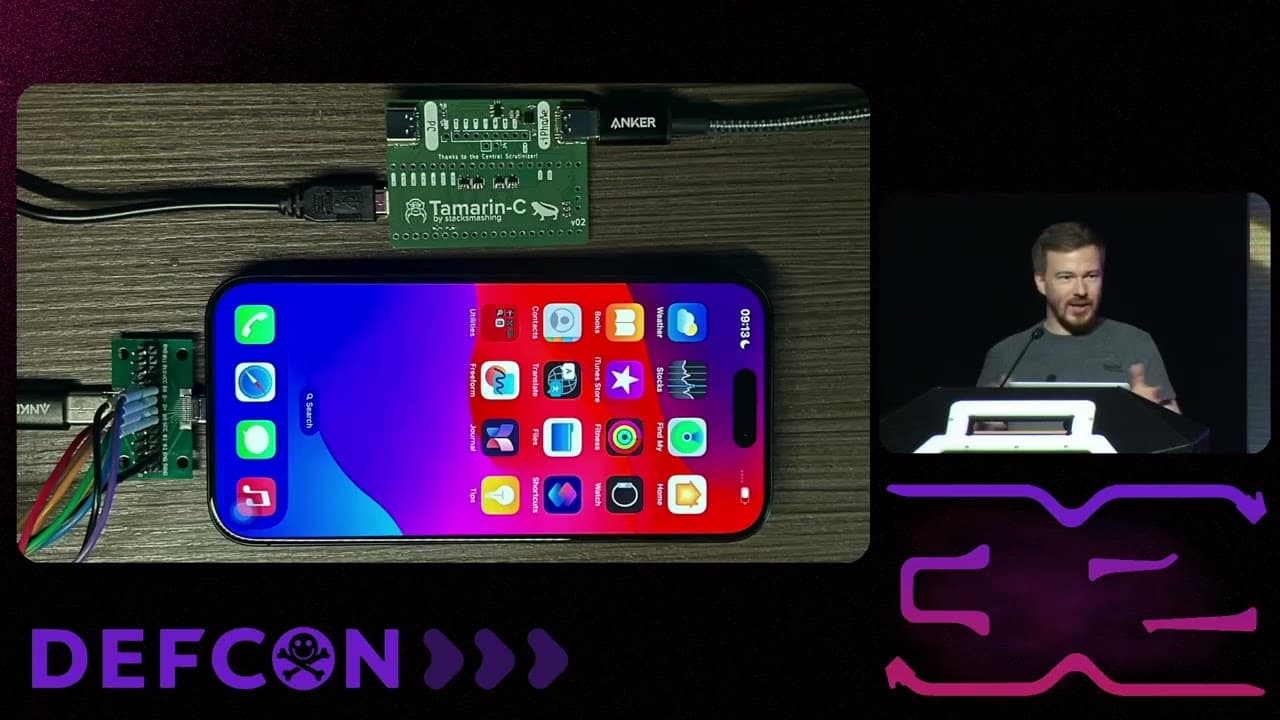
Hacking Apple's USB-C Port Controller
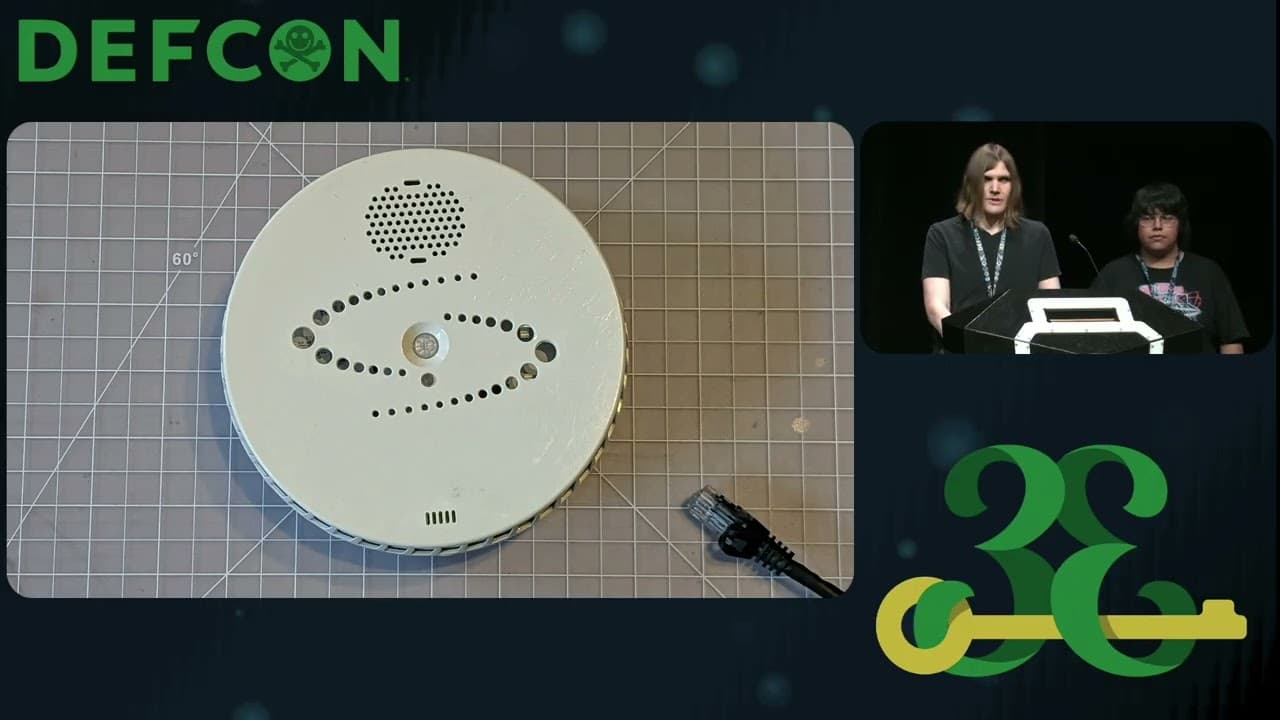
Unmasking the Snitch Puck: The Creepy IoT Surveillance Tech in the School Bathroom