Unveiling IoT Vulnerabilities: From Backdoors to Bureaucracy
This presentation demonstrates the discovery of multiple critical vulnerabilities, including hard-coded credentials, hidden backdoors, and command injection, across various IoT devices from vendors like D-Link, Zyxel, and Billion. The researchers detail their methodology for firmware extraction, reverse engineering, and traffic analysis to identify these security flaws. The talk highlights the significant challenges in the vulnerability disclosure process, including vendor resistance, end-of-life (EoL) excuses, and the use of non-disclosure agreements to suppress findings. The session concludes with actionable recommendations for manufacturers, governments, and security researchers to improve IoT security posture.
Hard-Coded Backdoors and Vendor Negligence: The Reality of IoT Security
TLDR: Researchers at DEF CON 2025 exposed a systemic failure in IoT security where manufacturers embed hard-coded credentials, hidden backdoors, and undocumented debug services into devices. These vulnerabilities, ranging from command injection to exposed management interfaces, persist across multiple product lines and vendors. Pentesters should prioritize auditing firmware for these hidden access points, as vendors often dismiss them as "end-of-life" rather than patching them.
Security researchers often focus on the latest zero-day in a web framework or a complex heap overflow in a browser. However, the most effective way to compromise a network remains the humble IoT device sitting in the corner of a server room or a home office. A recent presentation at DEF CON 2025 pulled back the curtain on a disturbing reality: many IoT devices are not just insecure by accident, they are insecure by design. Manufacturers are shipping products with hard-coded backdoors, hidden debug services, and credentials that cannot be changed by the end user.
The Anatomy of a Backdoor
The research covered a wide array of devices from vendors including D-Link, Zyxel, and Billion. The methodology was straightforward but effective: extract the firmware, reverse engineer the binaries, and analyze the network traffic. The findings were consistent across different manufacturers.
One of the most common issues identified was the presence of hard-coded credentials. In some cases, these were standard administrative accounts that were not visible in the web interface. In others, the credentials were derived from device-specific information, making them predictable. The researchers also found instances of command injection vulnerabilities, such as CVE-2024-11062, where simple input manipulation allowed for arbitrary code execution.
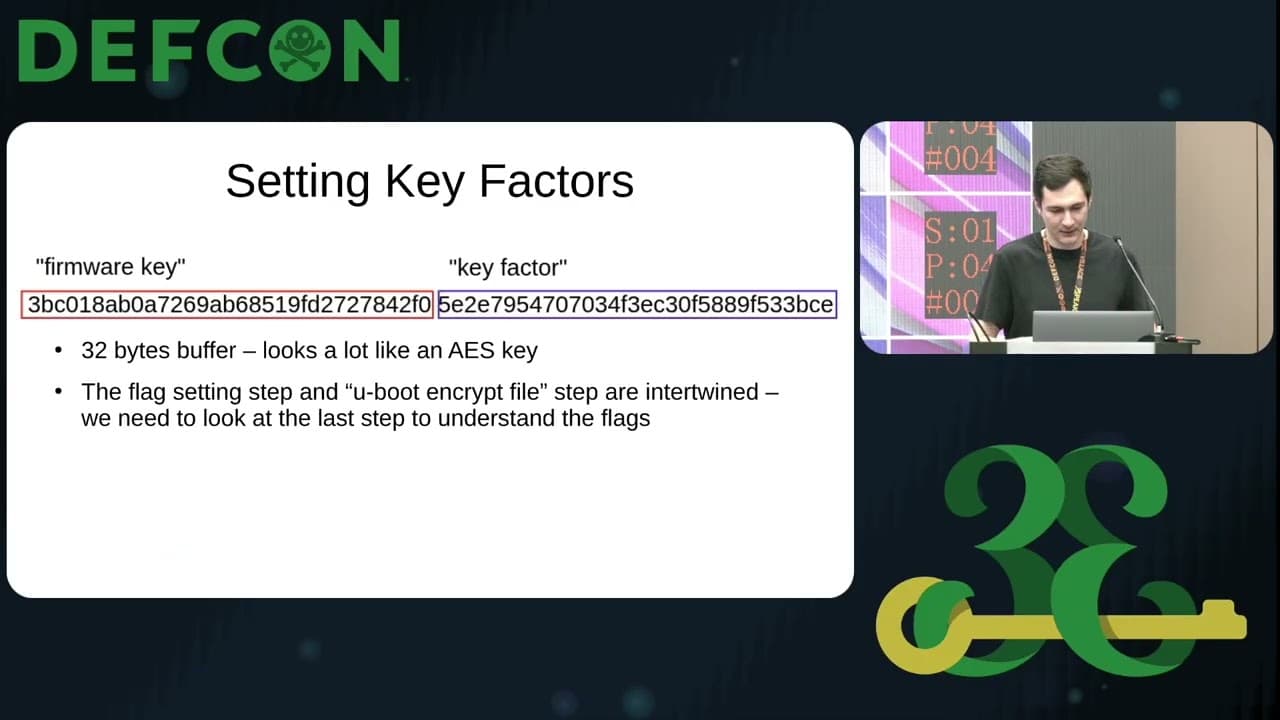
The technical process for identifying these flaws often starts with binwalk to extract the filesystem from the firmware image. Once the filesystem is accessible, researchers can search for sensitive files like /etc/passwd or configuration files that contain hard-coded keys or credentials. For example, the researchers demonstrated how a simple XOR operation with a key of 0x31 could unlock encrypted firmware, a trivial hurdle for anyone with basic reverse engineering skills.
Debugging Services as Attack Vectors
Beyond hard-coded credentials, the researchers highlighted the danger of leaving debug services enabled in production firmware. Services like ADB (Android Debug Bridge) or Telnet are frequently left active, often with no authentication or with default credentials that the user cannot modify.
In one instance, a vendor claimed their modem did not support Telnet login, yet the service was active and accessible. This is a classic example of Identification and Authentication Failures within the OWASP Top 10. When these services are exposed via insecure UPnP configurations, they become trivial entry points for an attacker to gain root access to the device.
For a pentester, the engagement process should always include a thorough scan for these services. Using nmap to identify open ports and then attempting to connect via Telnet or ADB is a high-yield activity. If you find an open port, check if it is a known debug service. Often, these services provide a shell without requiring a password, or they accept a well-known default password that is shared across the entire product line.
The Bureaucracy of Disclosure
Perhaps the most frustrating part of this research was the response from vendors. When the researchers reported these vulnerabilities, they were frequently met with a standard, dismissive response: the device is "end-of-life" (EoL), and therefore, no patches will be provided. This is a convenient way for manufacturers to avoid the cost of fixing security flaws in their legacy products.
This behavior creates a massive security debt. Thousands of devices remain in use, vulnerable to Remote Code Execution and other critical exploits, with no path to remediation. The researchers had to navigate a complex web of bureaucracy, often involving third-party organizations like MITRE to force the issuance of a CVE when the vendor refused to acknowledge the severity of the issue.
What Defenders Can Do
If you are responsible for securing a network, the first step is to assume that your IoT devices are compromised. Segment these devices into a separate VLAN with strict firewall rules that prevent them from initiating outbound connections to the internet. If a device does not need to communicate with a cloud service, block that traffic entirely.
Furthermore, perform regular vulnerability scans on your internal network. Tools like Wireshark can help you monitor the traffic generated by these devices. If you see a device sending data to an unknown IP address or attempting to connect to a management port, investigate it immediately.
The state of IoT security is currently abysmal, and it will not improve until manufacturers are held accountable for the security of their products throughout their entire lifecycle. As researchers and pentesters, our role is to continue exposing these flaws and applying pressure where it matters. If you encounter a device with a hard-coded backdoor, document it, report it, and do not let the vendor hide behind the "end-of-life" excuse. The security of our networks depends on our willingness to challenge these practices and demand better from the companies that build the hardware we rely on every day.
CVEs
Vulnerability Classes
Target Technologies
Attack Techniques
All Tags
Up Next From This Conference

Reverse Engineering Go-Based Malware with AI

No Brain, No Gain: The Next Frontier in IoT/ICS Authentication
Never Enough About Cameras - The Firmware Encryption Keys Hidden Under the Rug
Similar Talks
Inside the FBI's Secret Encrypted Phone Company 'Anom'

Kill List: Hacking an Assassination Site on the Dark Web