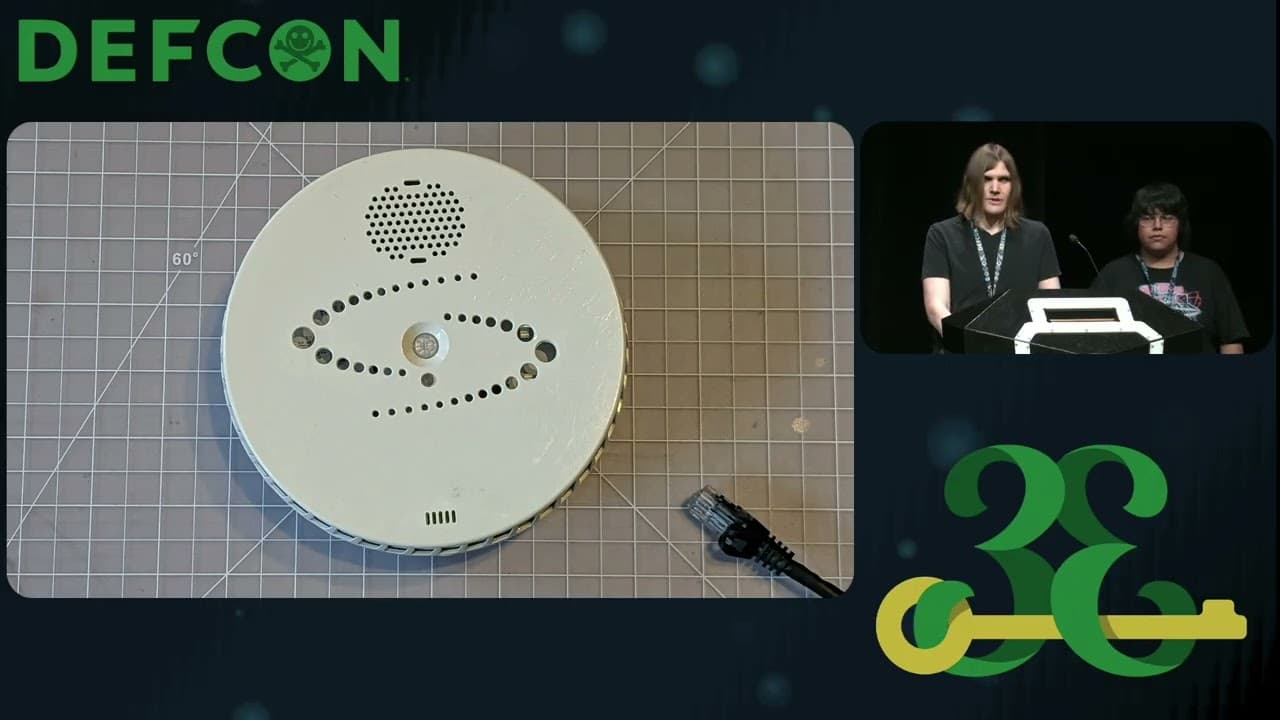
CARVER Vulnerability Analysis and the U.S. Voting System
This talk introduces the CARVER (Criticality, Accessibility, Recoverability, Vulnerability, Effect, Recognizability) matrix as a framework for assessing the security posture of complex systems, specifically applied to the U.S. voting infrastructure. The speakers demonstrate how this methodology helps identify high-risk components, such as source code and core infrastructure, that require prioritized defensive measures. The discussion emphasizes that while technical vulnerabilities exist, the most significant threat to voting systems is the erosion of public trust through misinformation and disinformation campaigns. The presentation concludes by highlighting the importance of physical security, air-gapped systems, and robust audit procedures in maintaining election integrity.
Beyond the Hype: Applying the CARVER Matrix to Infrastructure Security
TLDR: The CARVER matrix provides a structured framework for identifying the most critical, vulnerable, and impactful components of a system, moving beyond simple vulnerability scanning. While often associated with physical security, applying this methodology to digital infrastructure allows researchers to prioritize their efforts on the "crown jewels" that actually drive system failure. This post breaks down how to use this analytical approach to move from finding low-hanging fruit to identifying the high-impact paths that matter most during a red team engagement.
Security research often gets bogged down in the noise of low-severity findings. We spend hours chasing down missing security headers or outdated library versions while the actual business logic flaws that could bring down an entire enterprise remain untouched. The CARVER matrix, a framework originally developed by the OSS during World War II to help the French Resistance identify key Nazi targets, offers a better way to think about offensive operations. It forces you to stop looking at a system as a collection of CVEs and start looking at it as a functional entity.
The Anatomy of a Target
CARVER is an acronym standing for Criticality, Accessibility, Recoverability, Vulnerability, Effect, and Recognizability. When you apply this to a complex system like a voting infrastructure or a banking backend, you stop asking "what can I exploit?" and start asking "what, if compromised, causes the most damage?"
Criticality is the measure of how important a component is to the system's primary function. If you take out a load balancer, does the site go down? If you take out the database, does the entire business stop? Accessibility is how easily you can reach that target. Is it exposed to the public internet, or is it buried behind multiple layers of internal segmentation? Recoverability is the time and effort required for the organization to restore the function after you break it. If you drop a database table, can they restore from a backup in five minutes, or does it take five days?
Vulnerability is the ease of exploitation. This is where your standard pentesting skills come in. Effect is the direct impact of the compromise, and Recognizability is the likelihood that an adversary can identify the target as a key component.
Moving from Theory to Execution
Consider a standard enterprise environment. Most testers immediately jump to scanning for OWASP Top 10 vulnerabilities. That is fine for a compliance report, but it is not how you run a high-end red team engagement. Instead, map the environment using the CARVER criteria.
If you are targeting an internal application, don't just look for an Injection flaw. Look for the service account that has broad permissions across the domain. If you compromise that account, you have high Criticality, high Effect, and potentially high Accessibility if the account is used in automated scripts that are poorly secured.
The power of this approach is that it highlights the "Excel spreadsheet" problem. In many organizations, the most critical business logic isn't hidden in a complex, hardened microservice. It is sitting in a poorly protected file share or an internal web portal that someone built five years ago and forgot about. That is your high-value target.
The Human Element and Systemic Risk
Technical exploits are only half the battle. The most effective way to compromise a system is often to attack the trust the users place in it. In the context of voting systems, the technical integrity of the machines is important, but the perception of that integrity is what actually dictates the outcome. If an adversary can successfully execute a phishing attack to gain valid credentials, they don't need to break the encryption on the voting machines. They just need to manipulate the data at the source or create enough doubt to trigger a crisis of confidence.
During an engagement, look for the points where human interaction meets technical systems. Are there clear audit logs for administrative actions? Is there a process for verifying the integrity of the data being processed? If you can find a way to modify data without triggering an alert, you have found a path that is both highly effective and difficult to recover from.
Defensive Prioritization
For those of you working with blue teams, the CARVER matrix is an excellent tool for justifying security spend. Instead of telling a CISO they need to patch everything, you can show them that by hardening the top three most critical and vulnerable components, they can reduce the overall risk to the organization by a significant margin. It is about moving from a reactive posture to a proactive, risk-based strategy.
Focus your efforts on the components that have the highest combined score across the CARVER categories. If a component is highly critical, easily accessible, and difficult to recover, that is where you should be spending your time. Don't waste your energy on the noise. Find the path that leads to the core of the system, and you will find the vulnerabilities that actually matter.
Vulnerability Classes
Tools Used
Target Technologies
Attack Techniques
OWASP Categories
Up Next From This Conference
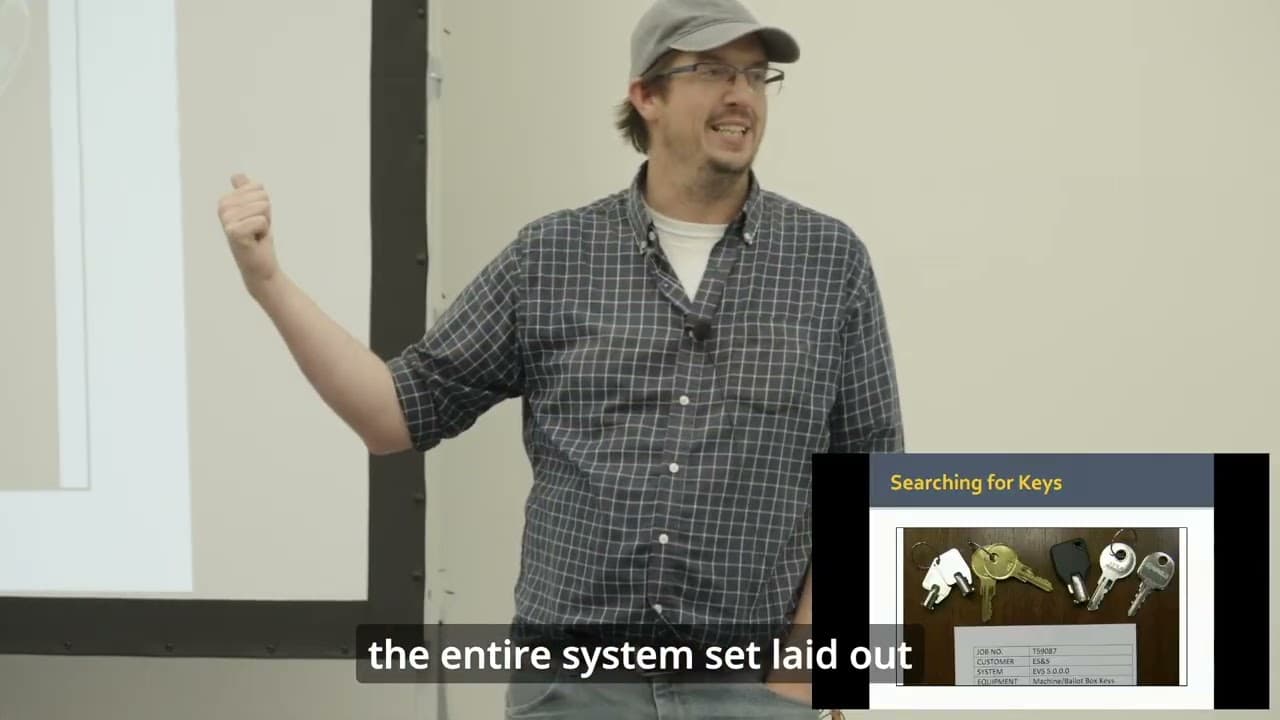
The Fortress Island of Voting System Physical Security
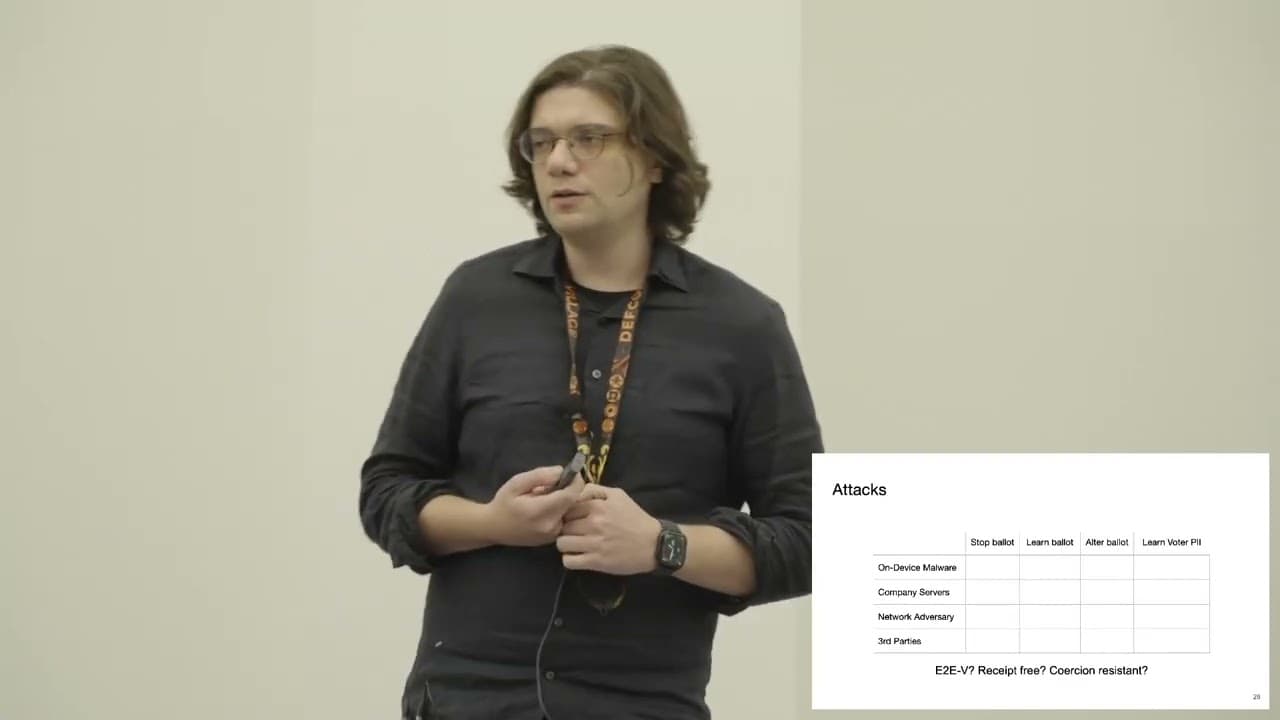
It's Not Safe Yet: Online Voting in Practice
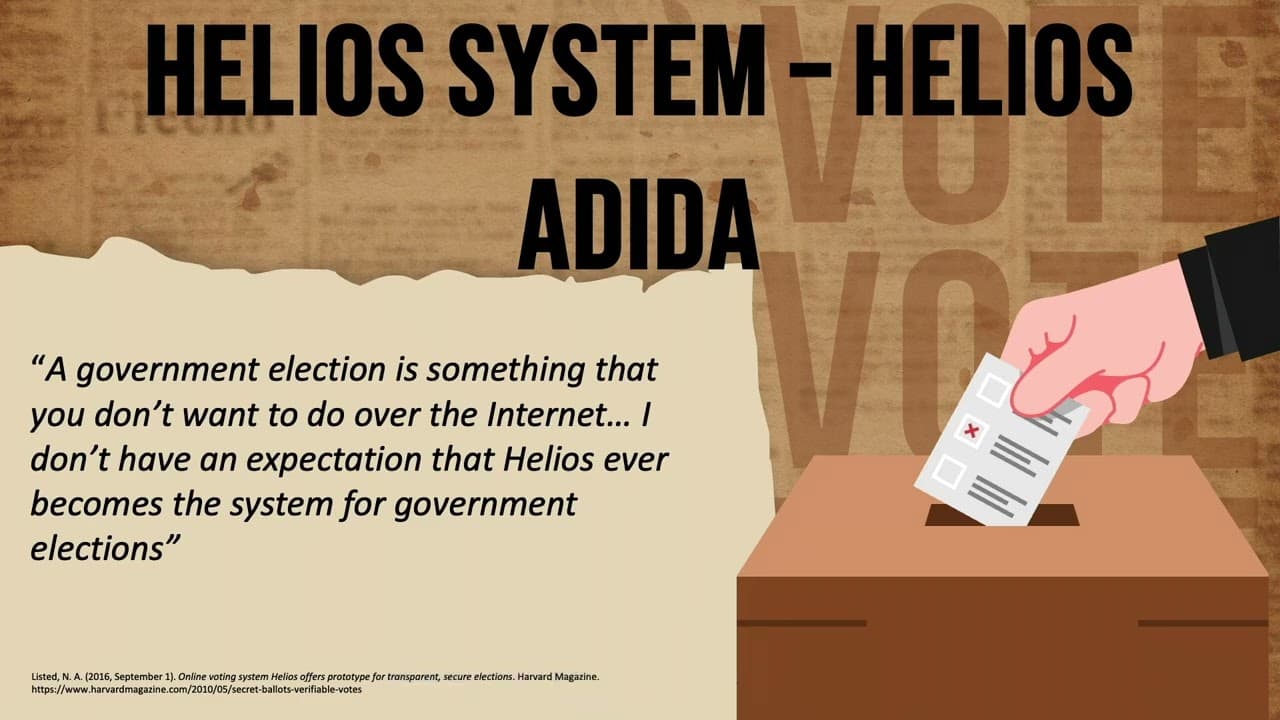
Is End-to-End Verifiability a Magic Bullet for Internet Voting?
Similar Talks

Inside the FBI's Secret Encrypted Phone Company 'Anom'

Kill List: Hacking an Assassination Site on the Dark Web