Pick Your Poison: Navigating a Secure Clean Energy Transition
This talk analyzes the cybersecurity risks inherent in the rapid adoption of renewable energy technologies, specifically focusing on supply chain vulnerabilities in solar inverters and battery management systems. It highlights the prevalence of hardcoded credentials, insecure remote access, and lack of vulnerability disclosure programs in critical energy infrastructure. The speaker emphasizes that the current reliance on foreign-manufactured components, combined with minimal oversight, creates significant risks for grid stability. The presentation concludes with a call for improved procurement contracts, mandatory vulnerability reporting, and better regulatory oversight of energy infrastructure.
The Silent Supply Chain Crisis in Renewable Energy Infrastructure
TLDR: Renewable energy infrastructure is being deployed at scale with critical, unpatched vulnerabilities in solar inverters and battery management systems. These devices often feature hardcoded credentials, insecure remote access, and a total lack of vulnerability disclosure programs. Pentesters and researchers should prioritize these targets, as they represent a massive, poorly defended attack surface that directly impacts grid stability.
Modern power grids are undergoing a massive, rapid transition toward distributed energy resources. While the shift to solar and battery storage is necessary for climate goals, the underlying technology stack is a security nightmare. We are currently deploying millions of internet-connected, foreign-manufactured devices into critical infrastructure without any meaningful security oversight. These devices are not just "smart" appliances; they are the control systems for our energy future, and they are currently wide open.
The Anatomy of Insecure Energy Hardware
The core issue is a combination of poor manufacturing standards and a complete lack of accountability in the procurement process. During recent research, it became clear that the vast majority of digital components in new renewable energy systems are manufactured in the People's Republic of China. This is not a theoretical supply chain risk; it is a reality of the current market. These devices are frequently shipped with hardcoded credentials, insecure remote access protocols, and no mechanism for secure firmware updates.
Consider the vulnerabilities found in common solar inverters. We are seeing CVE-2023-27512, which allows remote, unauthenticated attackers to gain administrative access due to hardcoded credentials. Similarly, CVE-2019-19228 highlights how simple it is to bypass authentication on solar inverters because the password is stored in plaintext. Even when vendors attempt to address these issues, they often fail, as seen in CVE-2020-25752, where hardcoded web-panel passwords for installers cannot be changed by the end user.
These are not complex, multi-stage exploits. They are basic OWASP A07:2021 – Identification and Authentication Failures. When you combine these failures with the fact that these devices are often directly exposed to the internet to facilitate remote monitoring, you have a recipe for a massive, coordinated disruption.
Why Pentesters Should Care
If you are conducting a penetration test on a utility or a large commercial facility, these devices are likely already on the network. They are often treated as "set and forget" hardware, meaning they are rarely patched and even more rarely audited. During an engagement, you should look for these devices on the internal network or, if they are misconfigured, exposed on the public internet.
The attack flow is straightforward. Once you identify an inverter or a battery management system (BMS), you are likely looking at a web interface or a proprietary management protocol. If you find hardcoded credentials, you have effectively gained control over the device. From there, you can often push malicious firmware updates or simply disable the device entirely. In the context of a large-scale deployment, an attacker could potentially trigger a mass firmware update to brick thousands of devices simultaneously. This is not just a denial-of-service attack; it is a direct threat to the stability of the local power grid.
The Procurement and Policy Failure
The industry is currently stuck in a "whack-a-mole" cycle. When a specific vendor is banned, they are simply replaced by another vendor with the exact same security flaws. The problem is that the procurement contracts for these systems rarely include requirements for vulnerability disclosure programs or secure development lifecycles.
Defenders are currently forced to rely on the manufacturer's security, which is often nonexistent. If you are working with a blue team, the most effective immediate step is to isolate these devices from the public internet. Use a dedicated, firewalled management network and implement strict access controls. Do not rely on the device's built-in security features, as they are almost certainly insufficient.
Moving Forward
We have the technology to secure these systems, but we lack the policy teeth to enforce it. As researchers, we need to stop treating these devices as simple appliances and start treating them as the critical infrastructure they are. If you are looking for a new area of research, start auditing the firmware of these inverters. The lack of Software Bill of Materials (SBOM) or Hardware Bill of Materials (HBOM) in this sector is a glaring omission that needs to be addressed.
The next time you see a solar array or a battery storage facility, remember that it is likely running on insecure, unpatched code. We are building our energy future on a foundation of sand. It is time to start demanding better security from the vendors and, more importantly, start holding them accountable when they fail to deliver. If we don't, we are just waiting for the next major grid event to force our hand.
Vulnerability Classes
Target Technologies
Attack Techniques
OWASP Categories
All Tags
Up Next From This Conference
Breaking Secure Web Gateways for Fun and Profit

Listen to the Whispers: Web Timing Attacks That Actually Work
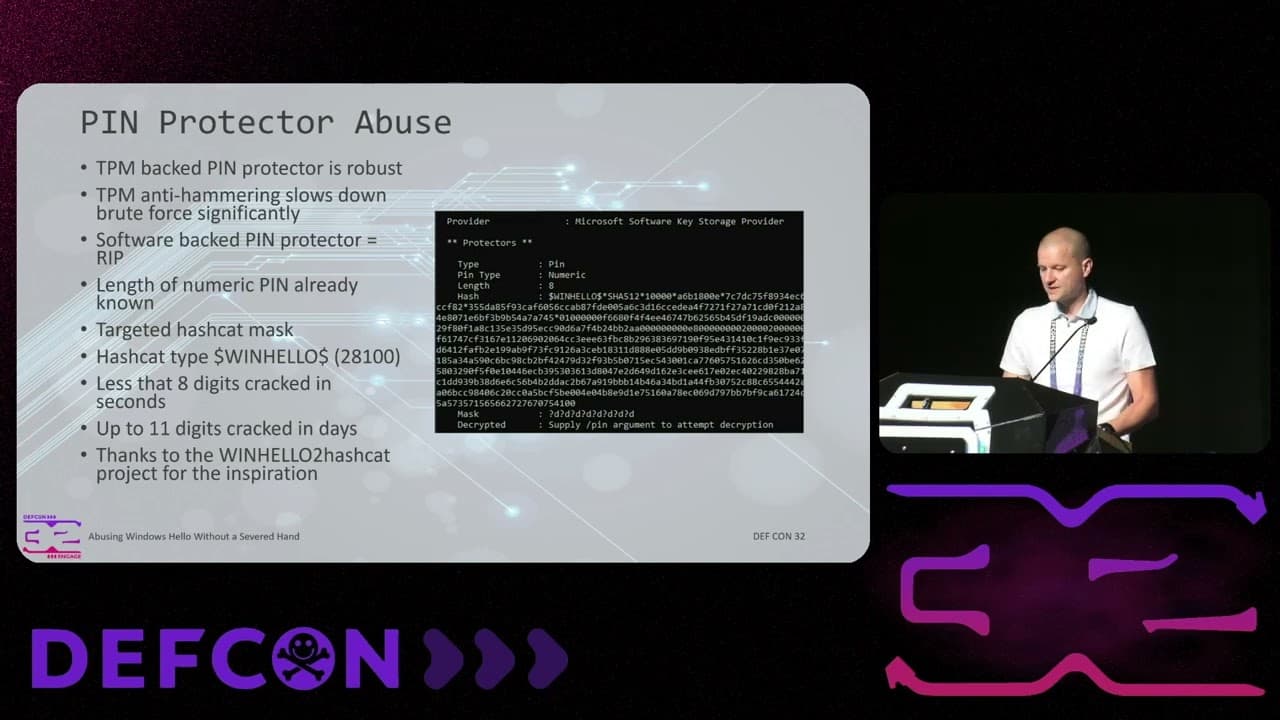
Abusing Windows Hello Without a Severed Hand
Similar Talks
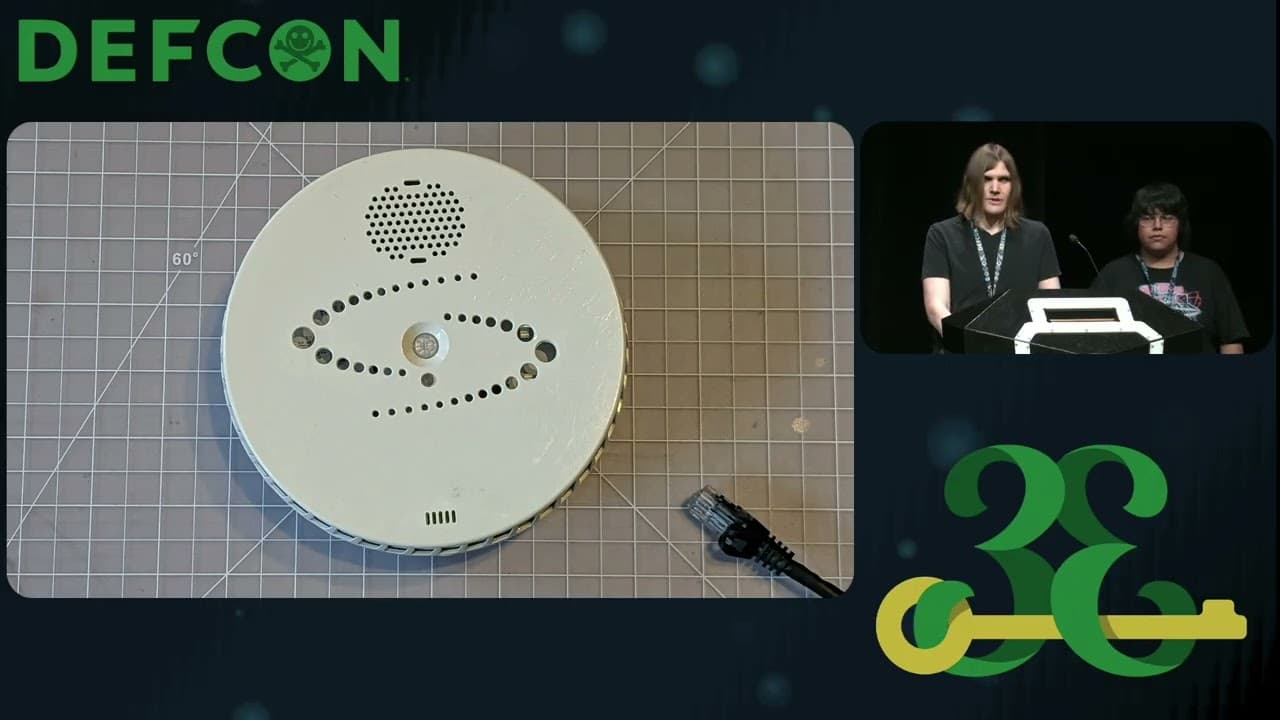
Unmasking the Snitch Puck: The Creepy IoT Surveillance Tech in the School Bathroom
Anyone Can Hack IoT: A Beginner's Guide to Hacking Your First IoT Device