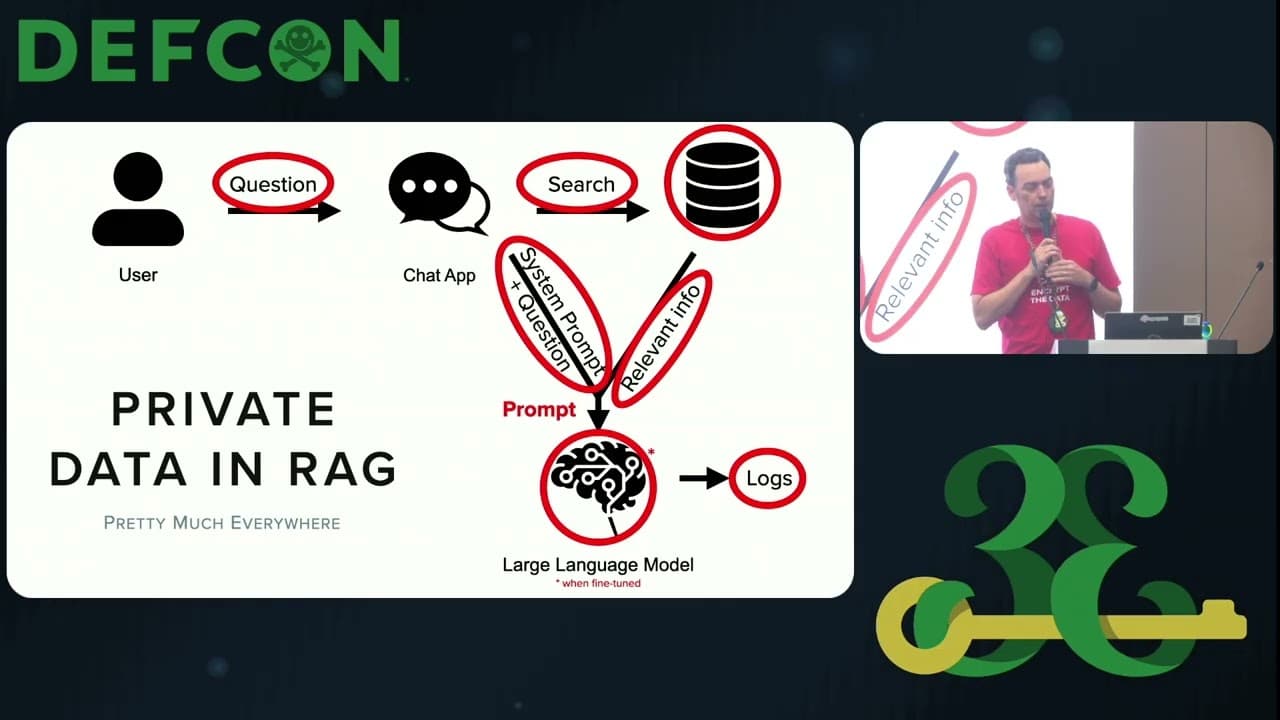
Security Concerns in the Casino Industry
This talk provides an overview of the application security landscape within the casino industry, focusing on the unique threat vectors introduced by the integration of IoT and ICT systems. It highlights how legacy infrastructure and modern connected devices create significant attack surfaces for ransomware and unauthorized access. The presentation emphasizes the necessity of a multi-layered security approach, including robust policy enforcement and incident response planning, to mitigate risks associated with digital transformation.
Why Casino Networks Are Falling to Basic Ransomware and Credential Abuse
TLDR: Casinos are increasingly integrating IoT and legacy ICT systems, creating massive, poorly secured attack surfaces that are ripe for exploitation. Attackers are moving beyond simple slot machine tampering to full-scale network encryption using common techniques like phishing and credential stuffing. Security researchers and pentesters should focus on the convergence of these disparate systems, as the lack of segmentation often allows a single compromised IoT device to lead to a total domain takeover.
Modern casinos are essentially massive, high-stakes data centers that happen to serve drinks. When you walk onto a casino floor, you are not just looking at slot machines; you are looking at a complex, interconnected web of surveillance, point-of-sale systems, and guest management databases. The recent wave of high-profile ransomware attacks against major operators like MGM Resorts and Caesars Entertainment proves that these organizations are failing to secure their digital assets. The core issue is not a lack of technology, but a fundamental failure to manage the security risks introduced by rapid digital transformation.
The Convergence of Legacy and Modern Systems
The primary challenge in casino security is the collision of legacy infrastructure with modern IoT and cloud-based services. Many casinos still rely on systems that were designed decades ago, long before the current threat landscape existed. These systems were never intended to be connected to the internet, yet they are now integrated into the same network as modern, cloud-connected slot machines and guest Wi-Fi.
When a pentester evaluates a casino environment, they often find that the network is flat. There is little to no segmentation between the guest network, the administrative network, and the critical operational technology (OT) network. This is a massive oversight. If an attacker gains access to a single low-security IoT device, such as a smart thermostat or a digital signage controller, they can often pivot laterally across the entire organization.
The OWASP Identification and Authentication Failures category is particularly relevant here. Many of these legacy systems use hardcoded credentials or lack support for multi-factor authentication. Once an attacker obtains valid credentials through T1078-Valid Accounts, they can move through the network with the same privileges as a legitimate employee.
The Mechanics of the Attack
Attackers targeting the casino industry are not looking for complex zero-day exploits. They are looking for the path of least resistance. The attack flow typically begins with T1566-Phishing to gain an initial foothold. Once inside, the goal is to identify the most critical systems—the ones that, if encrypted, would cause the most operational disruption.
In the case of recent breaches, the impact was not limited to data theft. The attackers successfully executed T1486-Data Encrypted for Impact, effectively shutting down the casino's ability to process transactions, manage hotel rooms, and operate the gaming floor. The following pseudo-code illustrates the logic an attacker might use to identify and target these systems once they have established a foothold:
# Simple discovery script to identify critical assets
for ip in 10.0.0.0/16; do
  nmap -p 445,3389,80,443 --open $ip -oG - | grep "open"
done

# Once critical servers are identified, check for weak authentication
hydra -l admin -P /usr/share/wordlists/rockyou.txt smb://<target_ip>
The lack of contingency planning is the most glaring issue. When systems go down, the casino often has no way to revert to manual processes. In one instance, the inability to use digital room keys forced staff to issue physical keys, a process that had not been used in years. This operational paralysis is exactly what the attackers are banking on.
Real-World Applicability for Pentesters
If you are performing a penetration test on a casino or a similar high-availability environment, stop looking for the "cool" exploit. Start looking for the gaps in network segmentation. Map the connections between the guest-facing systems and the back-end databases. Ask yourself: if I compromise this specific IoT device, what can I reach?
You will likely find that the surveillance network, which should be isolated, is accessible from the same switch as the guest Wi-Fi. This is a critical finding. Document it, demonstrate the risk, and explain how an attacker could use this access to exfiltrate sensitive customer data or disrupt operations.
The Defensive Reality
Defenders in the casino industry must move toward a zero-trust architecture. This means assuming that the network is already compromised and implementing strict access controls at every level. Segmentation is not optional; it is a requirement. Furthermore, incident response planning must include scenarios where critical systems are completely offline. If you cannot operate without your digital systems, you are not prepared for a ransomware attack.
The industry is at a crossroads. As casinos continue to adopt more advanced technologies, the attack surface will only grow. The focus must shift from simply adding more security tools to building a resilient architecture that can withstand a breach. If you are working in this space, your priority should be identifying the single points of failure that could bring an entire operation to a standstill. The next big breach will not be caused by a sophisticated new technique, but by the same old vulnerabilities that have been ignored for far too long.
Vulnerability Classes
Target Technologies
Attack Techniques
OWASP Categories
All Tags
Up Next From This Conference
Breaking Secure Web Gateways for Fun and Profit

Listen to the Whispers: Web Timing Attacks That Actually Work
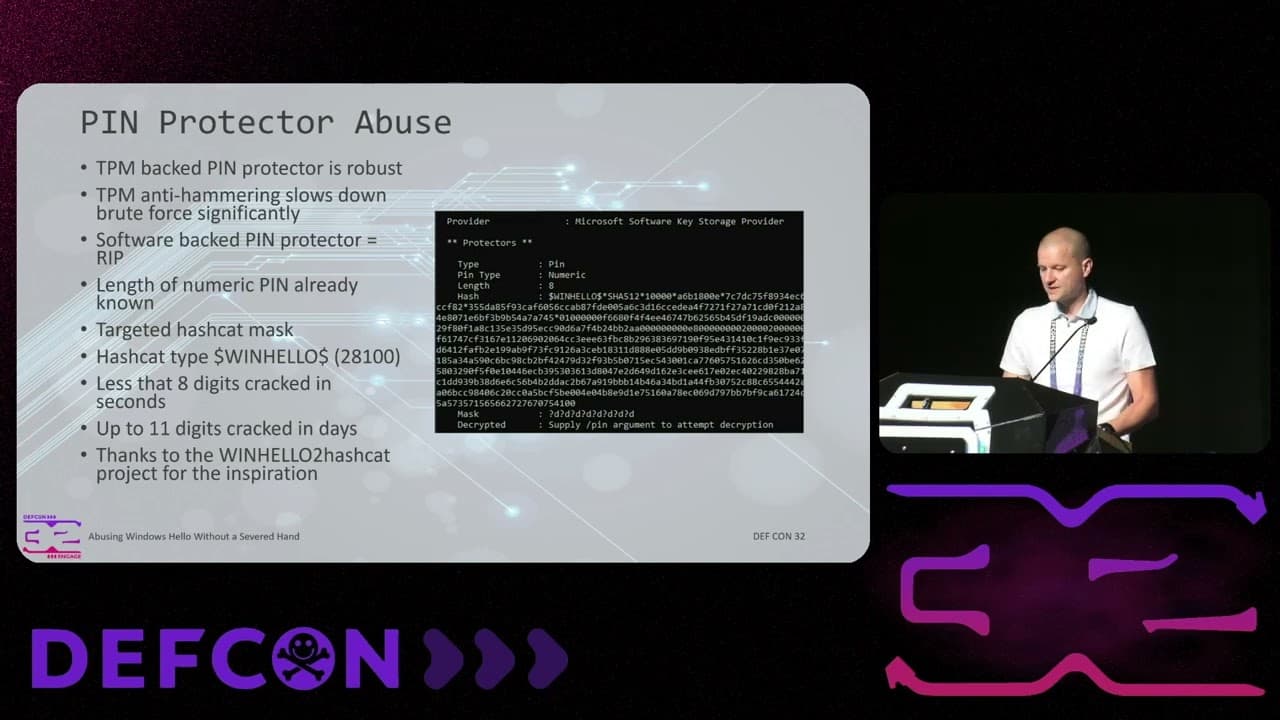
Abusing Windows Hello Without a Severed Hand
Similar Talks
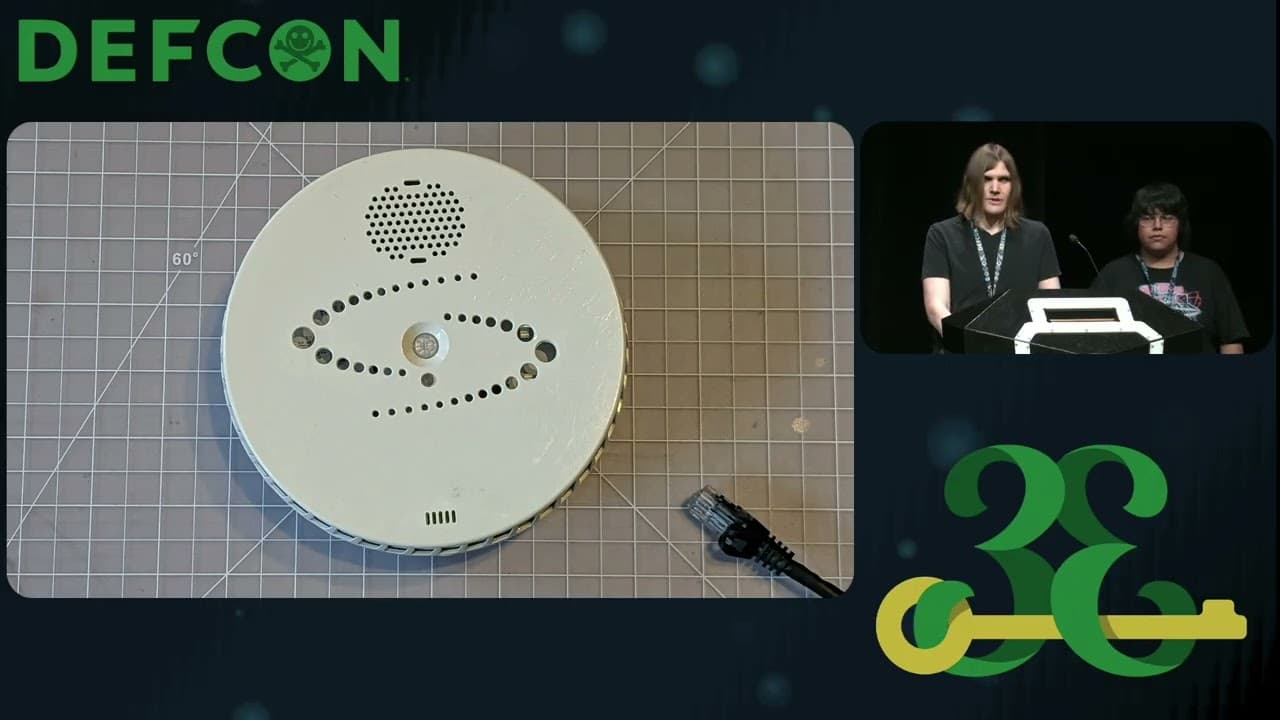
Unmasking the Snitch Puck: The Creepy IoT Surveillance Tech in the School Bathroom
Anyone Can Hack IoT: A Beginner's Guide to Hacking Your First IoT Device