Voting Village Introduction
This session serves as an introduction to the DEF CON Voting Village, focusing on the security research and testing of electronic voting systems. It highlights the legal framework provided by the DMCA exemption for good-faith security research, which enables independent testing of voting hardware. The session emphasizes the importance of identifying and reporting vulnerabilities in election infrastructure to improve overall system integrity.
Why Voting Machine Security Research Is Finally Moving Beyond Theory
TLDR: The DEF CON Voting Village has evolved from a niche research project into a critical hub for identifying systemic vulnerabilities in election infrastructure. By operating under the DMCA exemption for good-faith security research, researchers can now legally reverse-engineer proprietary voting hardware that was previously shielded by restrictive licensing. This shift allows for the discovery of real-world flaws in voting machines, moving the conversation from abstract policy debates to concrete technical remediation.
Election security often feels like a black box where proprietary software and hardware vendors dictate the terms of engagement. For years, security researchers were effectively locked out of auditing these systems because reverse-engineering them meant risking legal action under the Digital Millennium Copyright Act. That changed when the Copyright Office granted a specific exemption for good-faith security research, finally giving the community the legal cover needed to tear these machines apart.
The Voting Village at DEF CON is no longer just a place to talk about the theoretical risks of electronic voting. It is a functional laboratory where the industry’s most talented researchers put hardware to the test. When you look at the current state of election infrastructure, the primary risk isn't just a single bug in a specific machine. It is the lack of transparency in the entire supply chain. When vendors treat security through obscurity as a feature, they leave the door wide open for attackers to find and weaponize vulnerabilities that remain unpatched for years.
The Reality of Hardware Auditing
When you get your hands on a voting machine, you are not looking at a standard hardened server. You are often dealing with legacy hardware running outdated operating systems, custom firmware, and proprietary communication protocols that have never been subjected to a rigorous, public red team engagement. The goal of the research conducted in the Voting Village is to identify the same flaws that a nation-state actor would look for: insecure boot processes, lack of code signing, and weak physical security controls that allow for unauthorized access to the underlying OS.
For a pentester, the workflow here is similar to any other embedded device assessment. You start with physical reconnaissance. You look for exposed debug ports like JTAG or UART. You dump the flash memory to analyze the firmware. Once you have the binary, you look for hardcoded credentials, insecure API endpoints, or buffer overflows in the ballot-counting logic. The difference here is the impact. A successful exploit against a web application might lead to data exfiltration, but a successful exploit against a voting machine can compromise the integrity of an entire election cycle.
Why Proprietary Systems Fail
Vendors often argue that their systems are secure because they are not connected to the public internet. This is the classic "air-gap" fallacy. In practice, these machines are serviced by third-party contractors, updated via USB drives, and managed by local officials who may not have the technical background to spot a malicious payload. If an attacker can compromise the update mechanism or the ballot definition file, they don't need a network connection to manipulate the results.
The OWASP Top 10 provides a useful framework for understanding these risks, particularly when you look at categories like A06:2021 – Vulnerable and Outdated Components. Many voting machines are built on top of libraries that haven't seen a security patch in a decade. When you combine that with a lack of secure boot, you have a system that is essentially wide open to anyone with physical access and a basic understanding of embedded systems.
Moving Toward Verifiable Integrity
The most important takeaway from the current research is that we need to stop relying on the vendor's word that a system is secure. We need to move toward systems that are auditable by design. This means implementing voter-verified paper audit trails and ensuring that the software running on these machines is open to public scrutiny. If a system cannot be independently verified, it should not be used to count votes.
For those of you working in the field, the next step is to get involved. The Voting Village is not just a place to watch demos; it is a place to contribute. If you have experience in hardware hacking, reverse engineering, or vulnerability research, your skills are needed. The more eyes we have on these systems, the harder it becomes for vendors to hide behind proprietary walls.
We are at a point where the technical community has the tools and the legal protection to make a real difference. The next time you see a call for research on election infrastructure, don't just scroll past it. Dig into the documentation, look for the CVE entries associated with the hardware, and start asking the hard questions. The security of our democratic process depends on the work we do in the lab, not the promises made in a marketing brochure. Keep pushing, keep breaking things, and keep sharing your findings. That is how we force the industry to change.
Target Technologies
Up Next From This Conference

The Fortress Island of Voting System Physical Security
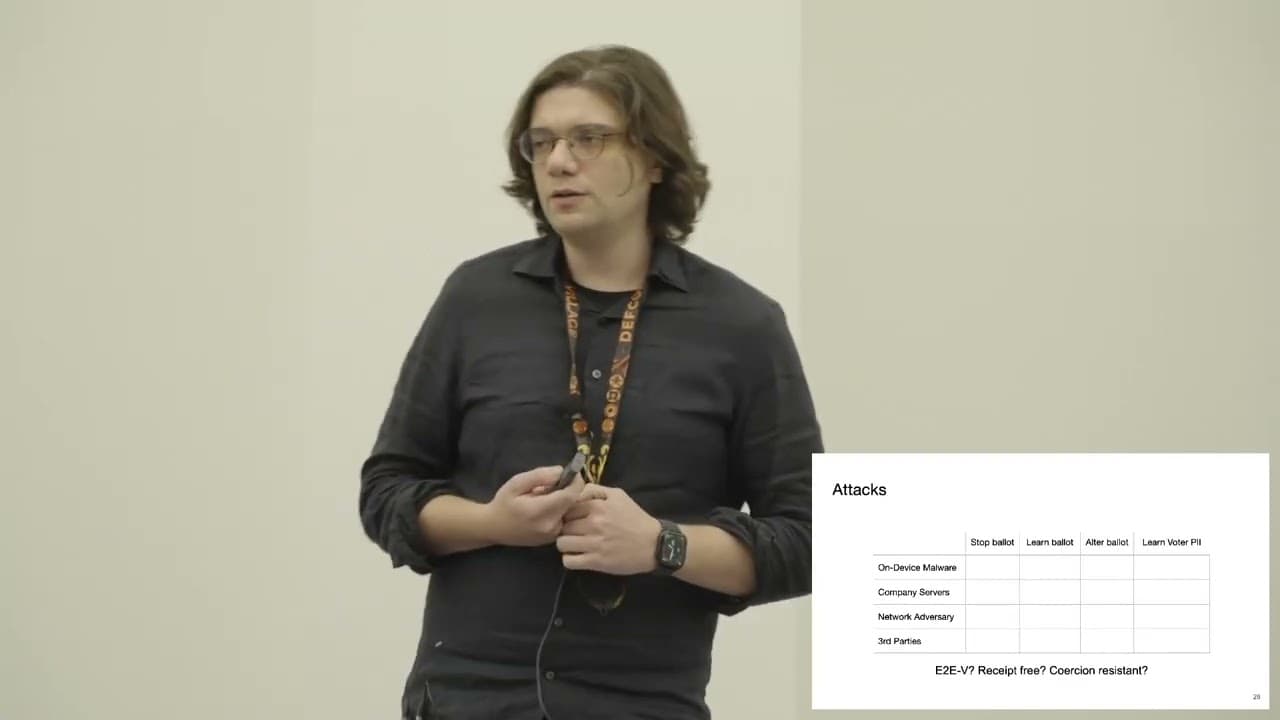
It's Not Safe Yet: Online Voting in Practice
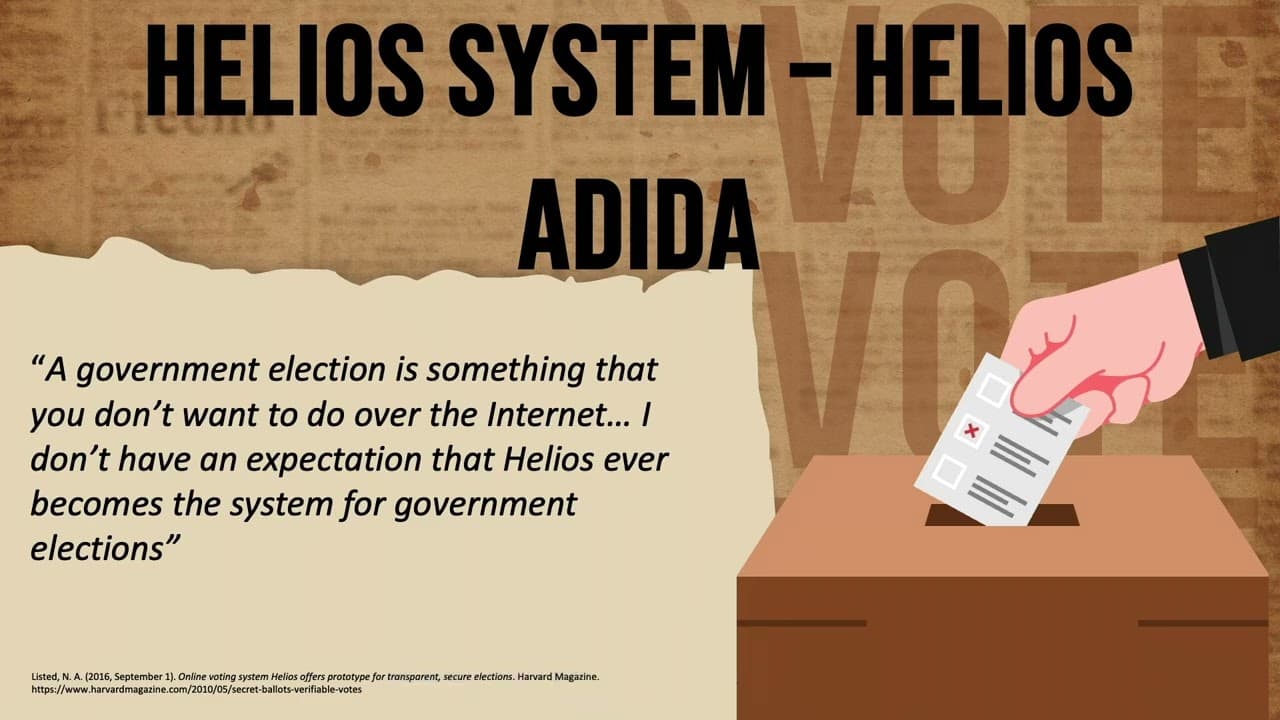
Is End-to-End Verifiability a Magic Bullet for Internet Voting?
Similar Talks

Hacking Apple's USB-C Port Controller
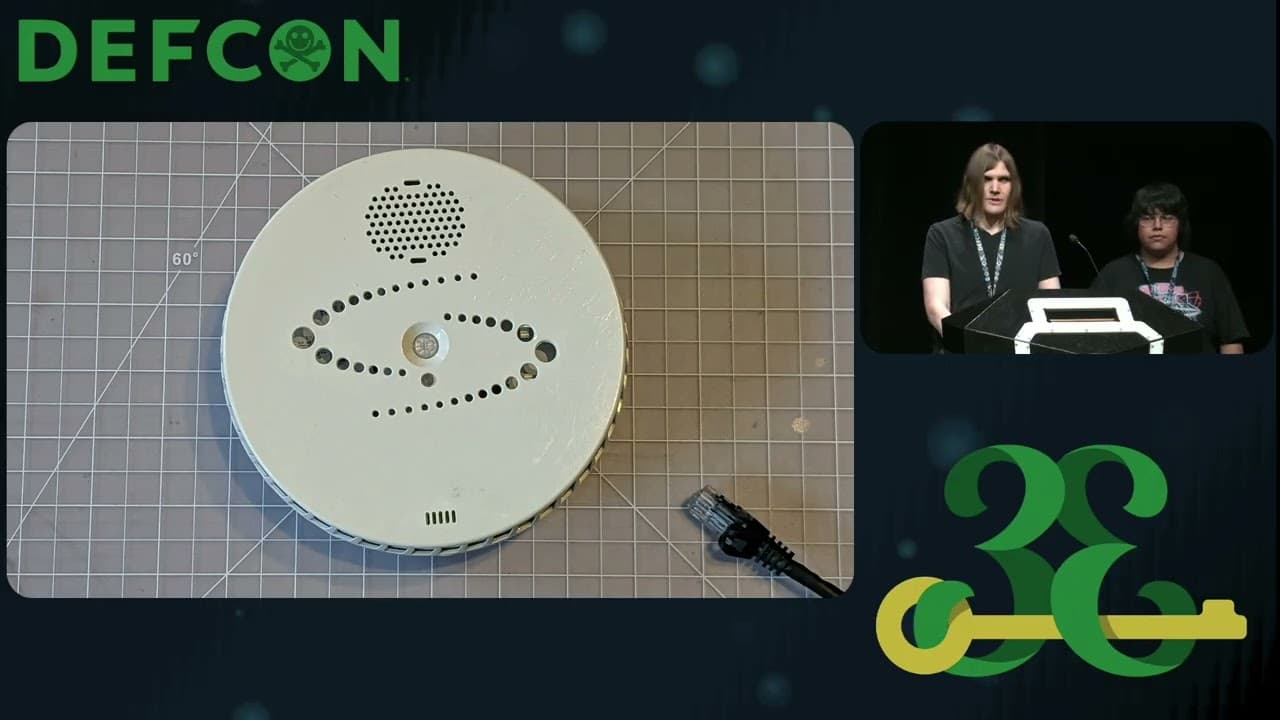
Unmasking the Snitch Puck: The Creepy IoT Surveillance Tech in the School Bathroom