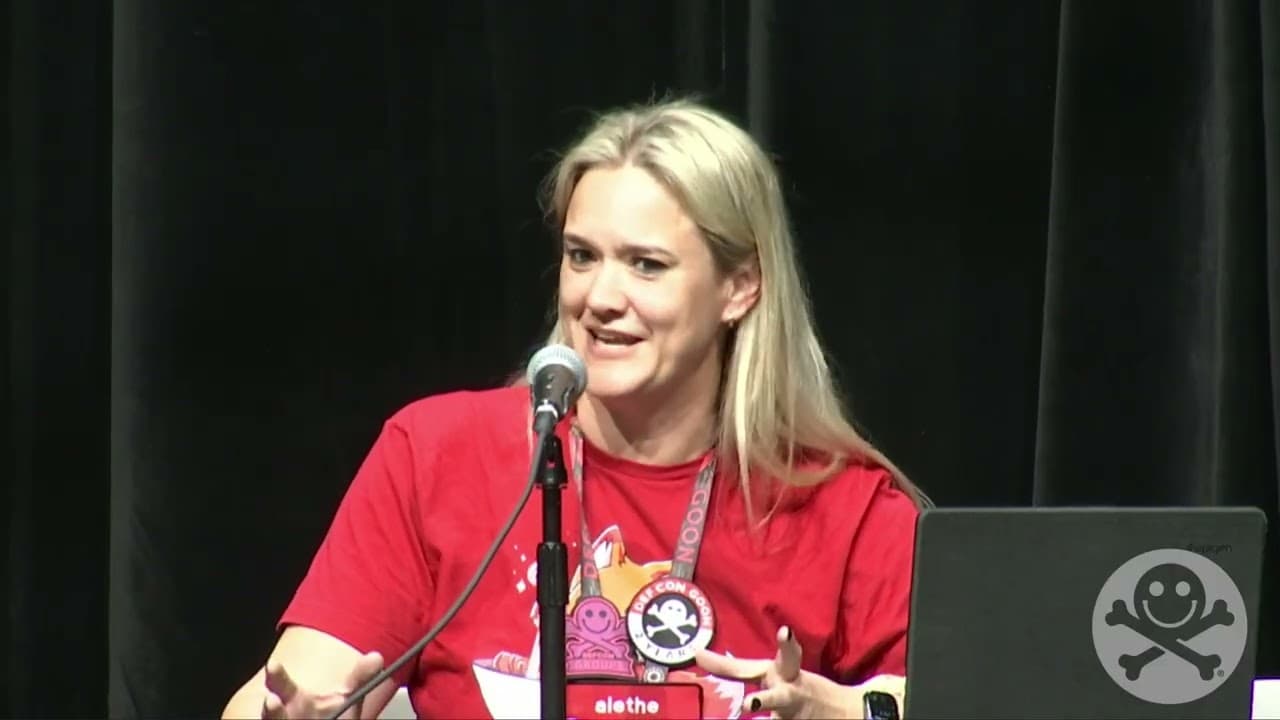
15 Years of BSidesSF: Behind the Scenes AMA
This video is a panel discussion featuring organizers of the BSidesSF security conference. The speakers discuss the operational challenges, growth, and logistics of managing a large-scale cybersecurity event over 15 years. The session is a non-technical administrative overview and does not contain any security research, vulnerability demonstrations, or offensive techniques.
Scaling Security Conferences: Lessons from 15 Years of BSidesSF
TLDR: Scaling a volunteer-run security conference requires moving from ad-hoc management to a structured, department-based operational model. This panel discussion highlights the transition from single points of failure to distributed leadership, emphasizing the importance of proactive staff recruitment and vendor management. For security professionals, these operational insights mirror the challenges of scaling security teams within a growing organization.
Security conferences are the lifeblood of our industry, but the operational reality behind them is rarely discussed. While we spend our time analyzing the latest OWASP Top 10 vulnerabilities or dissecting CVE-2024-3094, the infrastructure that allows us to share this research is often held together by duct tape and sheer willpower. The recent panel on the history of BSidesSF provides a masterclass in operational security and organizational scaling that every security lead and startup founder should study.
The Shift from Ad-Hoc to Operational Structure
Early-stage security projects, much like early-stage conferences, often rely on a "hero culture" where one or two individuals handle everything from venue logistics to speaker coordination. This is a single point of failure. The panel emphasized that as the event grew, the organizers had to pivot to a department-based structure.
For a pentester or a security researcher, this is the equivalent of moving from a flat network architecture to one with proper segmentation and access control. By creating distinct roles for venue operations, sponsorship management, and program operations, the team eliminated the bottleneck where one person’s absence could derail the entire event. If you are building a security team, the lesson is clear: document your processes and distribute authority early. If your security program relies on one person knowing how the firewall is configured, you are already compromised.
Managing the Supply Chain of Logistics
One of the most overlooked aspects of running a large-scale event is the physical and digital supply chain. The organizers noted that they moved from manual, spreadsheet-based tracking to using dedicated tools for inventory and logistics. When you are managing thousands of attendees, the "inventory" includes everything from AV equipment to network gear.
In the context of a security engagement, this mirrors the importance of asset management. You cannot secure what you cannot track. The panel’s move toward professionalizing their inventory management is a direct parallel to the necessity of maintaining a Software Bill of Materials (SBOM) in modern development. Whether you are tracking physical projectors or software dependencies, the lack of a centralized, accurate inventory is a vulnerability that will eventually be exploited.
The Human Element of Security Operations
Perhaps the most critical takeaway for our community is the approach to volunteer recruitment and retention. The panel highlighted that they treat their staff like a professional team, focusing on proactive recruitment rather than reactive scrambling. They have successfully converted sponsors into staff and attendees into volunteers, creating a self-sustaining ecosystem.
This is the ultimate goal of any security culture. If your developers only care about security because they are forced to by a compliance checklist, you have failed. If they care because they feel ownership over the product’s integrity, you have succeeded. The organizers of BSidesSF have built a community where the participants feel a sense of ownership, which is the only way to scale a security program effectively.
Applying Conference Logistics to Security Programs
When we look at the technical challenges of a conference, we see the same patterns we face in our daily work. Scaling requires automation. The panel discussed how they moved away from manual, error-prone tasks—like managing speaker communications or tracking venue requirements—toward automated workflows.
For those of us in the field, this is a call to action to automate the mundane. If you are still manually running scans or tracking findings in a static document, you are wasting the most valuable resource you have: your time. Look at your own workflow. Where are the manual, repetitive tasks that could be handled by a script or a tool?
The Future of Community-Driven Security
The panel’s discussion on the future of the conference—specifically the tension between growth and maintaining the "vibe"—is a conversation every founder has. How do you scale without losing the core values that made your organization successful in the first place?
For the security community, the answer lies in decentralization. By empowering local chapters and encouraging new organizers to step up, the BSides model ensures that the community remains resilient. We should apply this same logic to our security programs. Instead of building a massive, centralized security team that acts as a gatekeeper, build a decentralized model where security is integrated into every engineering squad.
The next time you attend a conference, look past the talks. Look at the logistics. Look at how the organizers handle the inevitable crises. There is a wealth of knowledge in the operations of these events that can make you a better, more effective security professional. The goal is not just to find the bug, but to build the systems that prevent the bug from ever reaching production. That is the true, long-term value of the community we are all part of.
Up Next From This Conference
Similar Talks
Navigating the Cyber Security Labyrinth: Choose Your Own Security Adventure
DEF CON: A History and Future Outlook