Inside the Ransomware Machine
This talk provides a detailed analysis of the ransomware ecosystem, focusing on the operational structure of the LockBit ransomware group. It examines the 'affiliate pyramid' model, the negotiation tactics used by threat actors, and the impact of law enforcement operations like Operation Cronos. The presentation highlights the 'ransomware trust paradox' and the role of reputation in maintaining profitability for ransomware-as-a-service (RaaS) operations.
Beyond the Ransomware Trust Paradox: Deconstructing the LockBit Affiliate Model
TLDR: Ransomware-as-a-Service (RaaS) groups like LockBit rely on a fragile "trust paradox" to maintain profitability, balancing inherently deceptive criminal acts with a need for victim cooperation. Research presented at Black Hat 2025 reveals that affiliate success is driven by negotiation efficiency rather than technical sophistication, and that law enforcement interventions like Operation Cronos have significantly disrupted these operations. Pentesters should focus on identifying the specific negotiation and exfiltration patterns that signal a RaaS compromise before encryption occurs.
Ransomware is often treated as a monolithic technical problem, usually framed as a race between encryption speed and backup restoration. This perspective misses the reality of the business model. Threat actors are not just malware developers; they are project managers running a high-stakes, high-pressure sales funnel. The recent takedown of LockBit via Operation Cronos provides a rare, granular look at how these groups operate, negotiate, and ultimately fail when their reputation is compromised.
The Affiliate Pyramid and the Negotiation Funnel
Technical analysis of the LockBit ecosystem shows that the "affiliate pyramid" is not a flat structure. It is a funnel that narrows significantly at each stage of the attack lifecycle. While nearly 200 affiliates might gain initial access, only a fraction successfully exfiltrate data, and an even smaller subset manages to reach a successful negotiation.
The most critical insight for researchers is that the "best" affiliates are not necessarily the ones with the most advanced exploit chains. They are the ones who excel at the negotiation phase. These actors follow a rigid, predictable playbook: state an initial demand, offer a small number of files for free decryption to prove capability, and then threaten to publish the remaining data if the victim refuses to pay.
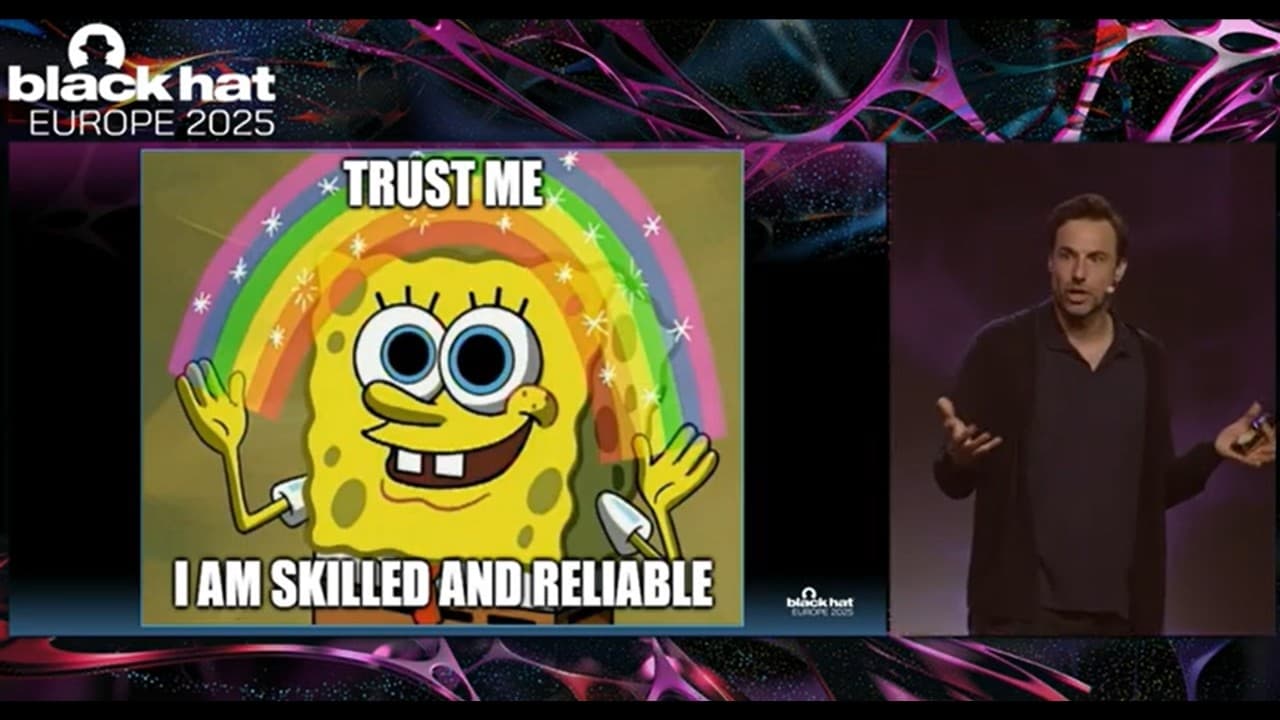
This process is a psychological game. The affiliate must convince the victim that they are both competent enough to decrypt the files and reliable enough to actually delete the data once the ransom is paid. If a group gains a reputation for double-crossing victims, their "trust paradox" collapses, and their profitability plummets.
Technical Indicators of the RaaS Lifecycle
For those conducting red team engagements or incident response, the attack flow typically follows the MITRE ATT&CK framework with specific emphasis on T1486 (Data Encrypted for Impact) and T1567 (Exfiltration Over Web Service).
The exfiltration phase is where defenders have the best chance of detection. Affiliates often use legitimate cloud storage services or custom tools to move data out of the environment. Monitoring for unusual outbound traffic to these services, especially during off-hours, is a high-fidelity signal.
# Example of monitoring for suspicious outbound exfiltration patterns
# Look for high-volume uploads to common cloud storage providers
tshark -r traffic.pcap -Y "http.request.method == POST and http.host contains 'mega.nz'"
When you are testing a client's environment, do not just focus on the initial entry point. Simulate the exfiltration of a small, sensitive dataset. If the client’s EDR or SIEM does not flag the movement of that data, you have found a critical gap in their defensive posture.
The Reputation Economy
Reputation is the primary currency of the RaaS model. When law enforcement agencies like the NCA or FBI seize a leak site, they are not just stopping the publication of data; they are actively destroying the group's brand. The "Streisand Effect" is alive and well in the ransomware world. When a group tries to suppress news of a failed negotiation or a law enforcement breach, they often draw more attention to their own incompetence.
The data from Operation Cronos shows that the share of victims who pay has remained remarkably low, hovering in the single digits. This suggests that the ransomware market is not as lucrative as the headlines suggest. Many victims are choosing to rely on OWASP-recommended backup strategies rather than paying criminals who have no incentive to keep their word.
What This Means for Your Next Engagement
Stop assuming that every ransomware incident is a sophisticated, state-sponsored operation. Most of the time, you are dealing with a mid-level affiliate who is just as likely to make a mistake in their negotiation script as they are to misconfigure their exfiltration tool.
If you are hunting for these threats, look for the "negotiation artifacts." These include the presence of ransom notes, the use of specific Tor-based communication portals, and the tell-tale signs of data staging before exfiltration. The most effective way to disrupt these groups is to break their trust with the victim. If a victim knows that paying the ransom is a gamble with a high probability of failure, they are far less likely to pay.
Defenders should prioritize visibility into the exfiltration path. If you can stop the data from leaving the network, the encryption becomes a nuisance rather than a catastrophe. Focus your efforts on egress filtering and behavioral analysis of your internal assets. The ransomware machine is only as strong as its weakest affiliate, and that affiliate is usually struggling to maintain the very reputation they need to survive.
Vulnerability Classes
Tools Used
Target Technologies
Attack Techniques
Up Next From This Conference
From Skip-Kid to Cyber Kingpin: Preventing the Predictable Progression
Inside the Ransomware Machine

Who Gets to Point Fingers? Technical Capacity and International Accountability
Similar Talks
Inside the FBI's Secret Encrypted Phone Company 'Anom'

Kill List: Hacking an Assassination Site on the Dark Web