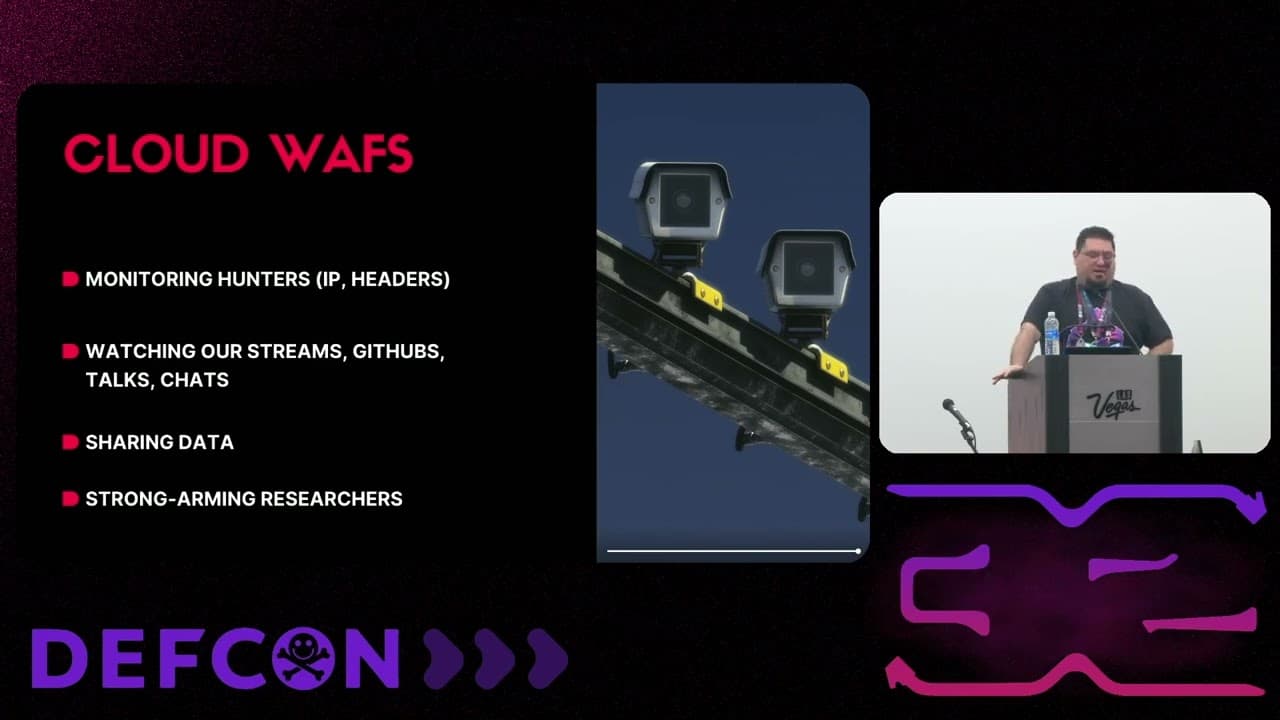
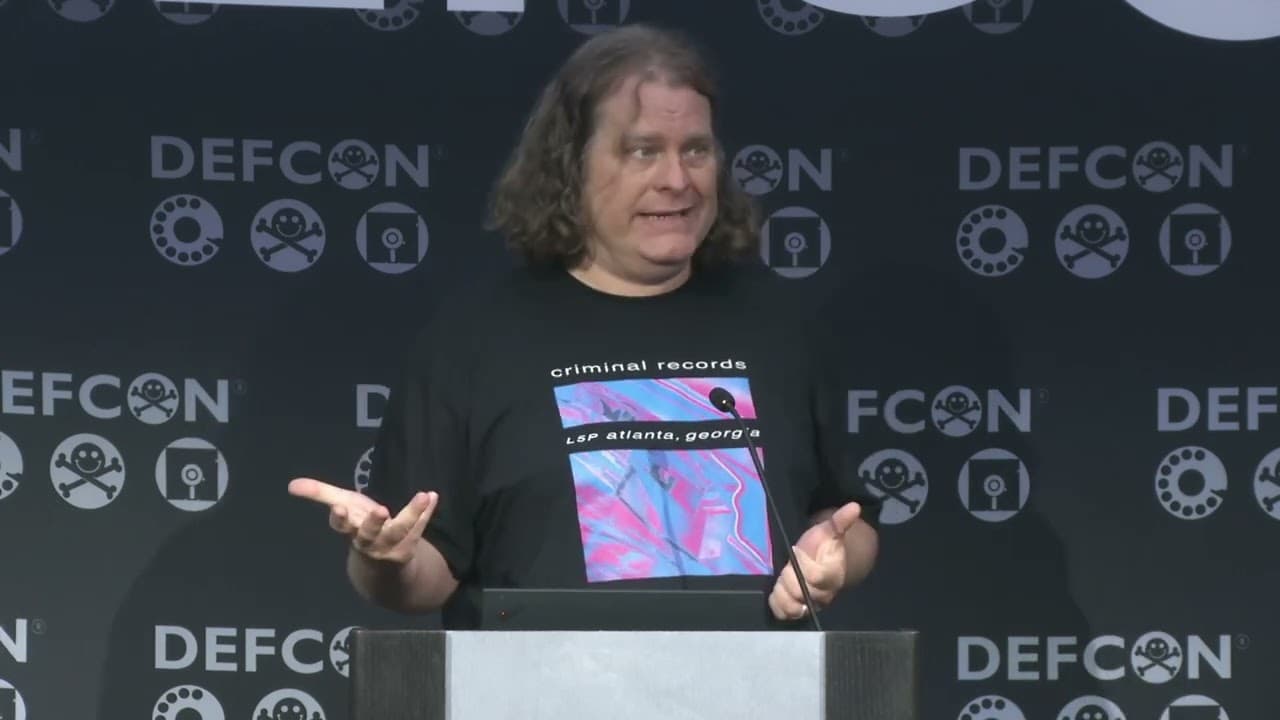
One SOC, The Whole SOC, Nothing But The SOC, So Help Me
This talk outlines the structural and operational requirements for an effective Security Operations Center (SOC). It identifies common pitfalls, such as the exclusion of engineering, threat intelligence, and hunt teams from core SOC workflows. The speaker advocates for a 'closed-loop' operational model where detection engineering, incident response, and threat intelligence are tightly integrated to improve detection efficacy and analyst retention.
Why Your SOC is Failing: The Engineering Gap
TLDR: Most Security Operations Centers (SOCs) are failing because they treat detection engineering, threat intelligence, and hunting as separate, siloed functions rather than a unified, closed-loop system. By excluding these teams from the core incident response lifecycle, organizations create massive blind spots and burn out their analysts. To fix this, you must integrate these functions, rotate analysts through operations, and treat detection engineering as a first-class citizen in your security stack.
Security Operations Centers are often built on a foundation of broken assumptions. We hire smart people, give them a SIEM, and expect them to magically stop sophisticated adversaries. When they inevitably miss an intrusion, we blame the analysts or the tooling. The reality is that the failure is structural. If your detection engineers are sitting in a different building—or a different time zone—from the people triaging alerts, you aren't running a security operation; you are running a ticket factory.
The Atomic Nature of SOC Operations
The most common mistake I see in red team engagements is the assumption that the SOC is a monolithic entity. It is not. It is a collection of atomic functions that must be tightly coupled to be effective. When these functions are decoupled, the OODA loop (Observe, Orient, Decide, Act) slows down to a crawl.
If your detection engineers are not seeing the raw output of the incident response process, they are writing rules in a vacuum. They don't know what the adversary is actually doing on the wire or at the endpoint. They are guessing. Conversely, if your incident responders don't understand the logic behind the detections, they are just clicking "close" on alerts they don't trust.
To break this cycle, you need to treat the SOC as a single, integrated organism. This means moving away from the "tier" model—which is a relic of the 90s—and toward a model where everyone is in the fight.
Why "Tier 1" is a Toxic Concept
Stop calling your analysts "Tier 1." It creates a hierarchy that devalues the most important work in the room: triage. When you label a group of people as "Tier 1," you are essentially telling them that their only job is to filter noise and pass the "real" work to someone else. This is a guaranteed way to ensure your best talent leaves for a role where they can actually do security research.
Instead, everyone in the SOC should be in an operations rotation. If you are a threat hunter, you should be taking your turn at the console. If you are a detection engineer, you should be helping with incident coordination. This cross-pollination is the only way to ensure that your tools and processes evolve. When an engineer has to deal with the pain of a poorly tuned alert at 3:00 AM, that alert gets fixed the next day.
The Engineering-Operations Feedback Loop
Detection engineering is not a one-way street. It is a continuous cycle of hypothesis, implementation, and validation. If you aren't using the MITRE ATT&CK framework to map your coverage, you are flying blind. But mapping isn't enough. You need to test your detections against real-world adversary behavior.
If you are a pentester, you know that most detections are trivial to bypass because they rely on static indicators. A robust SOC uses behavioral analytics, which requires a deep understanding of the underlying OS security primitives.
Here is a simple example of how to tighten the loop. When you identify a gap in your coverage, don't just write a rule. Create a test case. If you are tracking T1059.001 (PowerShell execution), your detection should be validated by a script that mimics the behavior:
# Simple test payload for detection validation
$encodedCommand = [Convert]::ToBase64String([System.Text.Encoding]::Unicode.GetBytes("whoami"))
powershell.exe -EncodedCommand $encodedCommand
If your SOC can't detect this, you have a problem. If your SOC detects it but doesn't know how to respond, you have a bigger problem.
Building Capacity for Improvement
The biggest lie in security management is that you can run a SOC at 100% capacity. If your analysts are spending every waking minute clearing the queue, you have zero capacity for improvement. You are in a state of permanent stagnation.
You need to carve out 20% to 50% of your team's time for non-incident work. This is where the real security happens. This is where you build the automation that kills the noise, where you hunt for the threats that didn't trigger an alert, and where you document the "why" behind your detections.
If you aren't building this capacity, you are just waiting for the next breach. The goal of a modern SOC isn't to process more tickets; it's to make the next incident impossible to ignore. Stop treating your SOC like a cost center and start treating it like an engineering team. The adversaries are already doing it.
Target Technologies
All Tags
Up Next From This Conference
Similar Talks

Kill List: Hacking an Assassination Site on the Dark Web
Counter Deception: Defending Yourself in a World Full of Lies