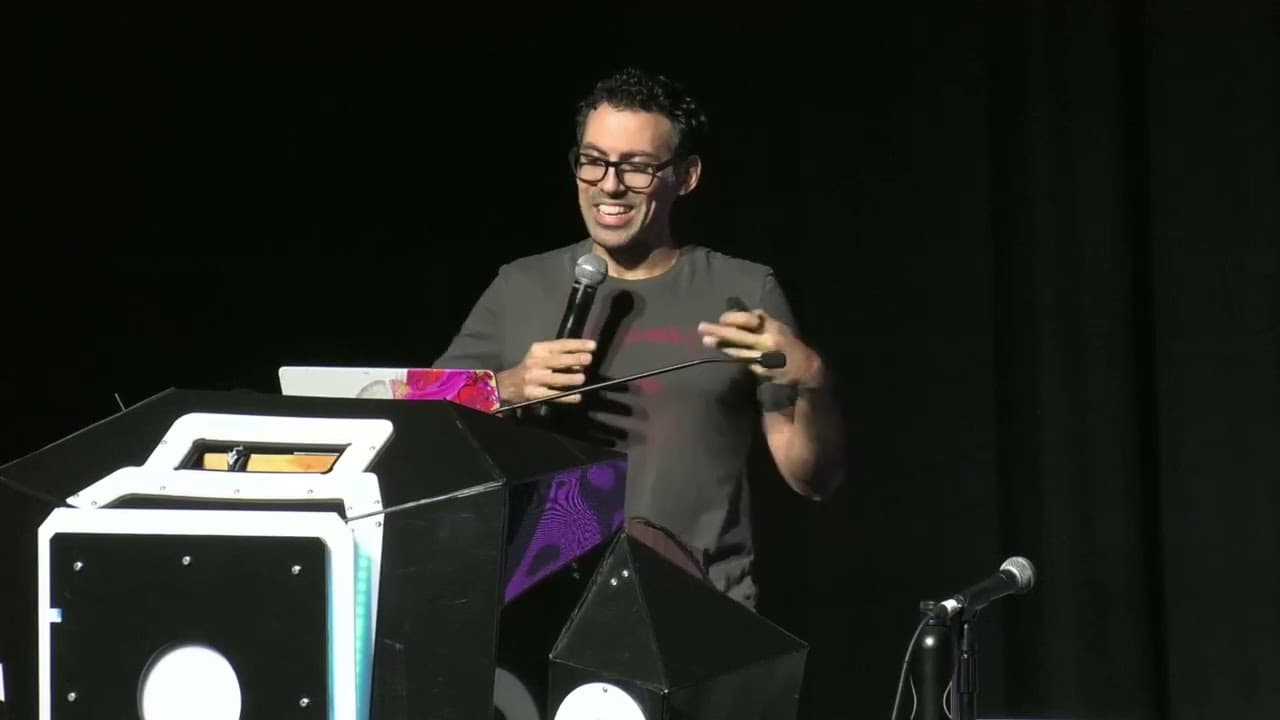
Red Teaming the Final Frontier: Offensive Security in the New Space Race
This talk explores the unique challenges of red teaming space systems, focusing on the shift from monolithic government-controlled assets to a commercialized, interconnected space ecosystem. It highlights the critical dependencies of modern infrastructure on space-based assets and the resulting risks from cyberattacks on ground segments, communication links, and onboard systems. The presentation emphasizes the need for specialized red teaming methodologies that account for physical inaccessibility, orbital mechanics, and time-constrained operational windows. It advocates for a simulation-heavy approach, including the use of digital twins and tabletop exercises, to identify and mitigate vulnerabilities before deployment.
Why Your Next Red Team Engagement Should Target the Ground Segment
TLDR: Space systems are no longer monolithic government assets but a sprawling, interconnected extension of the internet that relies on vulnerable ground-based infrastructure. Red teaming these systems requires shifting focus from the satellite itself to the ground segment, where misconfigurations and insecure communication protocols are rampant. Pentesters must adopt a simulation-heavy approach, using tools like GNU Radio and SPARTA to model complex attack chains before they ever touch a live link.
Space is hard, but the real danger to modern satellite constellations isn't the vacuum of space or radiation-induced bit flips. It is the fact that we have treated space systems as isolated, proprietary black boxes for decades while they quietly became the backbone of global financial and communication infrastructure. When a satellite constellation goes down, it is rarely because someone hacked the hardware in orbit. It is because someone compromised the ground station, exploited a weak API in the mission software, or intercepted an unencrypted command link.
The democratization of space has lowered the barrier to entry, allowing commercial operators to launch thousands of CubeSats. This shift has created a massive, heterogeneous attack surface. We are seeing a transition from high-assurance, custom-built government hardware to off-the-shelf components and software-defined architectures. If you are a pentester, you need to stop thinking about "hacking a satellite" and start thinking about the entire lifecycle of the data, from the ground station to the orbital asset and back.
The Ground Segment is the Primary Attack Vector
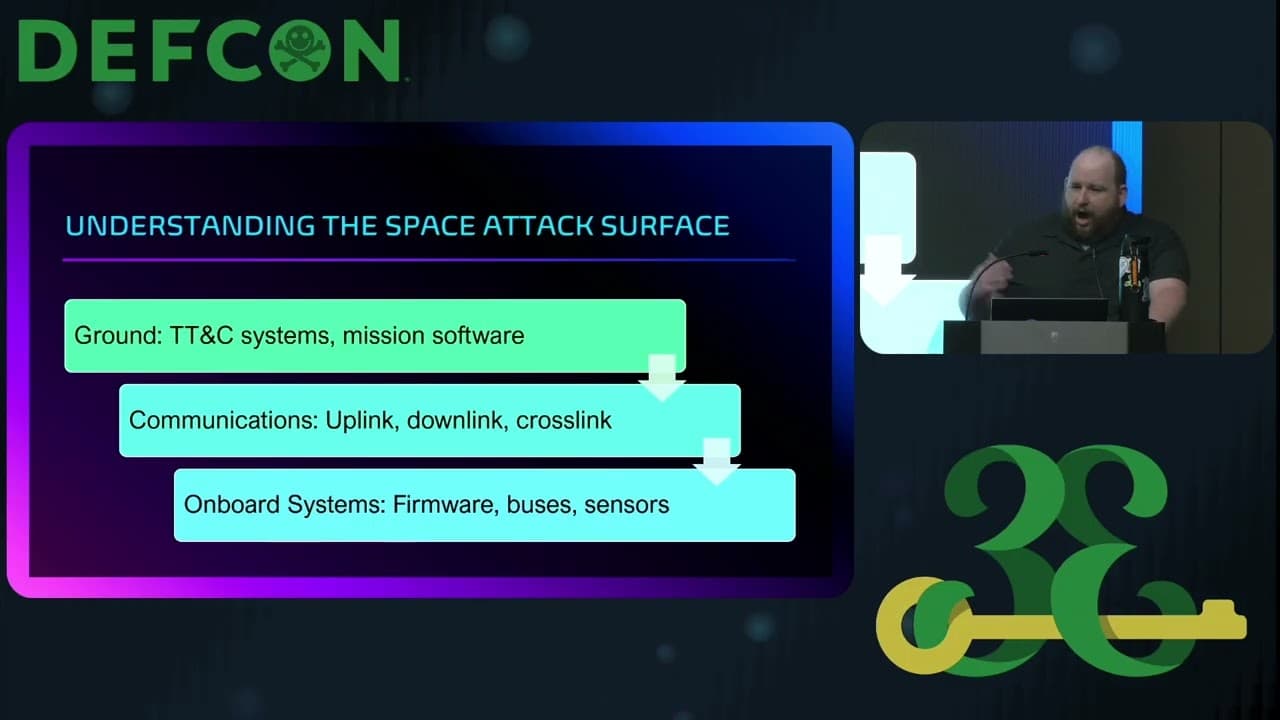
Most red teamers make the mistake of assuming the target is the satellite. In reality, the ground segment is where the most critical vulnerabilities reside. This includes the Telemetry, Tracking, and Command (TT&C) systems, mission software, and the ground-based infrastructure that manages the constellation. These systems are often built on legacy codebases, rely on insecure communication protocols, and suffer from poor patch management.
During a recent red team engagement, the primary objective was to identify how an attacker could disrupt mission operations. The team found that the ground station software, which handles the uplink and downlink of telemetry, was susceptible to simple command injection. Because these systems often lack robust authentication for command execution, an attacker with access to the ground network can effectively take control of the satellite.
If you are performing an assessment, focus your initial reconnaissance on the ground station's network perimeter. Look for exposed management interfaces, insecure VPNs, or misconfigured APIs that communicate with the satellite. The goal is to identify where the "command and control" logic resides. Once you have access to the ground station, you can leverage tools like GNU Radio to analyze the RF signals and potentially craft malicious packets that the satellite will accept as legitimate commands.
Modeling Attacks with Digital Twins
Because you cannot simply "patch" a satellite once it is in orbit, the industry relies on simulation. As a researcher, you should be doing the same. You need to build a digital twin of the target system to model your attacks. This allows you to test your payloads without the risk of bricking a multi-million dollar asset.
The SPARTA framework is an excellent starting point for threat modeling in the space domain. It helps you map out the attack surface and identify potential entry points across the ground, communication, and space segments. When you combine this with a digital twin, you can simulate how an exploit in the ground segment propagates to the satellite.
For example, if you are testing for command injection, you can use a simulation environment like NASA's NOS3 to verify your payload. This allows you to observe how the satellite's flight software reacts to malformed commands. If the flight software crashes or enters a safe mode, you have successfully demonstrated a denial-of-service attack.
The Reality of Time-Constrained Operations
One of the most significant challenges in space red teaming is the operational window. You do not have 24/7 access to the target. You are limited by the satellite's orbital path, which dictates when it is in range of your ground station. These windows can be as short as a few minutes, and they are often separated by hours of silence.
This constraint forces you to be precise. You cannot rely on noisy, automated scanning tools that might trigger an alarm or cause a system crash during a critical pass. You must have your exploits staged, tested, and ready to execute the moment the satellite comes into view. This is why tabletop exercises are so vital. You need to practice your attack flow, including the timing of your commands, to ensure you can achieve your objective within the narrow window of opportunity.
Defensive Considerations for Space Systems
Defenders must prioritize the security of the ground segment as if it were the most critical part of the entire constellation. This means implementing strict network segmentation, enforcing multi-factor authentication for all command-and-control interfaces, and conducting regular, simulation-based security assessments.
Furthermore, the industry needs to move away from the "security through obscurity" mindset. Just because a protocol is proprietary does not mean it is secure. Implement encryption for all command links and ensure that the flight software is designed to handle unexpected or malformed inputs gracefully. If a satellite cannot be patched, it must be hardened against exploitation from the ground up.
The next time you are tasked with a red team engagement, look beyond the obvious. The most interesting bugs are not in the latest web framework or cloud configuration. They are in the systems that keep our world connected from above. Start by mapping the ground segment, build your digital twins, and test your assumptions. If you can prove that a system is vulnerable before it reaches orbit, you have done your job. The space race is moving fast, and it is our responsibility to ensure that the security of these systems keeps pace.
Vulnerability Classes
Target Technologies
Attack Techniques
All Tags
Up Next From This Conference
Red Teaming the Final Frontier: Offensive Security in the New Space Race

Vulnerability Disclosure in Aviation
Burning, Trashing, Spacecraft Crashing: A Collection of Vulnerabilities that Will End Your Space Mission
Similar Talks
Unmasking the Snitch Puck: The Creepy IoT Surveillance Tech in the School Bathroom
Anyone Can Hack IoT: A Beginner's Guide to Hacking Your First IoT Device