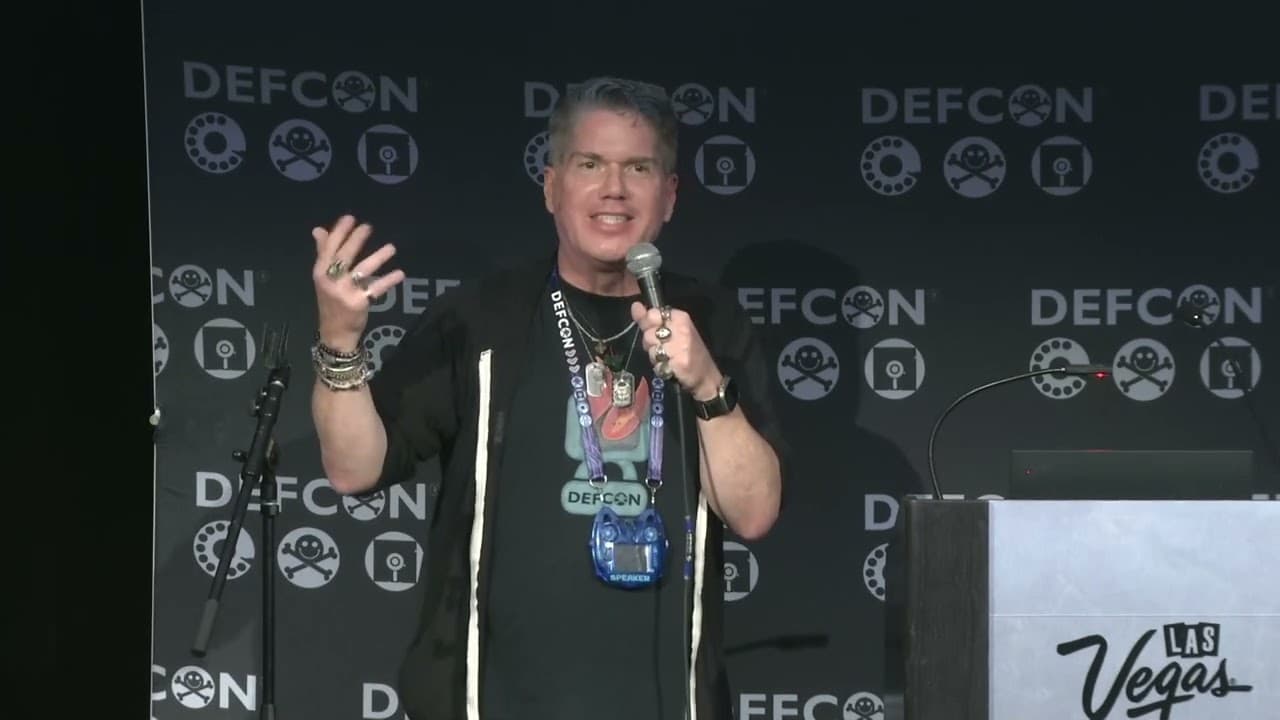
Breaking In, Standing Tall: A Rookie's Guide to Confidence in GRC
This talk provides a non-technical, career-focused perspective on entering the Governance, Risk, and Compliance (GRC) field within cybersecurity. It emphasizes the importance of critical thinking, a growth mindset, and cross-functional collaboration with technical teams to bridge the gap between compliance requirements and engineering workflows. The speaker highlights how non-technical backgrounds can be leveraged as an advantage to improve audit processes and organizational security posture.
Why Your GRC Team is the Best Asset in Your Red Team Toolkit
TLDR: Governance, Risk, and Compliance (GRC) is often dismissed by offensive security professionals as a bureaucratic hurdle, but it holds the keys to understanding an organization's internal logic and risk appetite. By treating GRC documentation as a roadmap rather than a nuisance, researchers can identify gaps between stated security controls and actual implementation. This post explains how to pivot from viewing compliance as a checkbox exercise to using it as a high-fidelity source of intelligence for your next engagement.
Most penetration testers and bug bounty hunters view GRC as the "no" department. You spend weeks crafting a sophisticated exploit chain, only to have the final report buried in a mountain of compliance paperwork that seems disconnected from the reality of the network. This friction is a mistake. If you want to move from finding low-hanging fruit to executing high-impact, business-logic-focused attacks, you need to stop ignoring the GRC team and start treating them as your most reliable source of internal reconnaissance.
Decoding the Compliance Roadmap
Every organization with a mature security program maintains a set of internal controls, often mapped to frameworks like ISO/IEC 27001. While these documents are designed to satisfy auditors, they are essentially a map of the organization's perceived crown jewels and the specific technical barriers they have erected to protect them.
When you are on a red team engagement, you are often flying blind, guessing which assets are critical and which are merely noise. GRC documentation removes that guesswork. If a company has a specific control for "privileged access management" or "database encryption at rest," they are telling you exactly where they are most worried about a breach. By reviewing these controls, you can identify the specific technologies they rely on, such as HashiCorp Vault or specific AWS Key Management Service configurations.
Instead of scanning the entire network for vulnerabilities, you can focus your efforts on the systems that the GRC team has explicitly flagged as high-risk. If a control requires multi-factor authentication for a specific administrative portal, and you find a way to bypass it, you have not just found a bug; you have invalidated a core security pillar of the entire organization.
Bridging the Gap with Engineering
The most common failure point in security is the disconnect between what is written in a policy and what is actually running in production. This is where the real vulnerabilities live. When you talk to engineers, they will tell you about the "workarounds" they implemented to keep the system running. These workarounds are almost never documented in the GRC registry.
During an engagement, ask the technical teams about the controls they find most frustrating. If an engineer complains that a specific OWASP Top 10 mitigation is breaking their build pipeline, you have found a prime target for your testing. They are likely running a less secure configuration in production just to keep the lights on.
You can use this information to craft payloads that specifically target these "shadow" configurations. For example, if you know an organization is struggling with Injection controls, you can focus your testing on legacy endpoints that were exempted from the new security policy. These endpoints are often the weakest link in the chain, providing a path into the internal network that bypasses the modern, hardened infrastructure.
Turning Non-Technical Context into Technical Wins
Many researchers think they need a deep background in systems architecture to be effective. While that helps, the ability to ask the right questions is far more valuable. When you are performing an audit or a pentest, don't just look for open ports. Ask why a specific control exists.
If you find a misconfigured S3 bucket, don't just report it. Ask the GRC team what data is supposed to be in there. If they tell you it contains PII, you have just escalated a simple misconfiguration into a major compliance violation. This context is what turns a standard bug bounty report into a high-priority finding that gets the attention of the CISO.
You can also use this approach to identify gaps in the organization's Incident Response capabilities. If you can simulate an attack that triggers a specific control, you can observe how the security operations center responds. Do they notice the activity? Do they follow the documented procedure? If they don't, you have identified a systemic failure that is far more dangerous than any single vulnerability.
The Future of Automated Compliance
We are seeing a shift toward "Compliance as Code," where security controls are automatically validated through CI/CD pipelines. This is a double-edged sword for researchers. On one hand, it makes it harder to find simple misconfigurations. On the other hand, it creates a new attack surface. If you can find a way to manipulate the code that defines these controls, you can effectively disable the organization's entire security posture without ever touching a production server.
Keep an eye on the tools that organizations use to manage this, such as Open Policy Agent. If you can understand how these tools are configured, you can find ways to bypass them, just like you would bypass a traditional firewall. The goal is to understand the logic of the defense so you can find the flaws in the implementation.
Stop treating GRC as a separate world. It is the foundation upon which the entire security program is built. If you can master the language of risk and compliance, you will find that you have a much clearer view of the target, allowing you to move faster and hit harder. The next time you are on an engagement, don't just look for the vulnerabilities. Look for the policies that are supposed to prevent them, and then find the gaps where those policies fail.
Up Next From This Conference
From Chaos to Calm: Mastering InfoSec Audits
Beginner's Guide To Malicious Browser Extensions
If I Can Do It, So Can They: Lessons From Building A Phishing Simulation Tool And The Rise Of Phishing-as-a-Service
Similar Talks
Social Engineering A.I. and Subverting H.I.

Thinking Like a Hacker in the Age of AI